Galvanized Steel for Pressure Vessels Is it the Right Choice
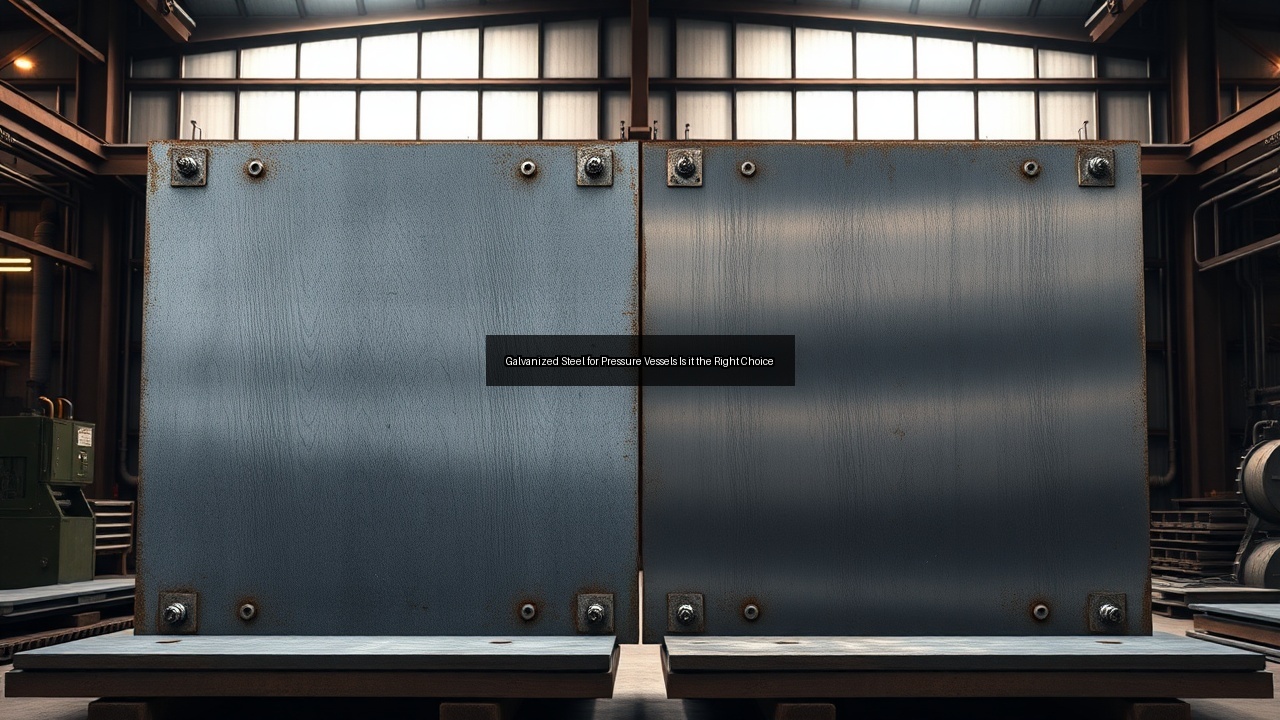
Understanding Galvanized Steel and Stainless Steel
What is Galvanization?
Galvanization involves coating steel or iron with a layer of zinc to protect against corrosion. This process enhances the durability of steel, making it suitable for various applications, especially in environments where moisture and exposure to corrosive substances are prevalent. The zinc layer acts as a sacrificial barrier; even if it gets scratched, the underlying metal remains protected as long as the zinc is intact. Galvanized steel often finds its way into construction, automotive, and manufacturing industries, serving as a reliable solution for components like fasteners and sheet metal. Its effectiveness in prolonging the lifespan of steel makes it a popular choice in various applications.
Properties of Galvanized Steel
Galvanized steel boasts several key properties that contribute to its widespread use. Its primary advantage is corrosion resistance, which stems from the protective zinc layer. This resistance makes it ideal for outdoor and marine environments, where exposure to the elements can lead to rapid deterioration of unprotected steel. Additionally, galvanized steel maintains excellent weldability, allowing for easy integration into various structures. The material is also relatively lightweight yet strong, making it suitable for both heavy-duty and lightweight applications. It exhibits good formability, enabling precise laser cutting and shaping, which is crucial in manufacturing processes. Overall, galvanized steel combines strength and versatility, making it a valuable material in the metal industry.
Overview of Stainless Steel
Stainless steel is an alloy primarily composed of iron, carbon, and chromium, which provides its distinctive corrosion resistance. This material comes in various grades, each tailored for specific uses based on its mechanical properties and resistance to corrosion. Unlike galvanized steel, which relies on an external coating for protection, stainless steel incorporates chromium into its composition, forming a passive layer that protects the underlying metal from rust. This unique property allows stainless steel to excel in high-stress environments, such as pressure vessels, where durability and reliability are paramount. Its aesthetic appeal, coupled with excellent strength and resistance to heat, makes stainless steel a popular choice in industries ranging from food processing to aerospace.
Comparative Analysis: Galvanized Steel vs Stainless Steel
Corrosion Resistance: A Key Factor
Corrosion resistance stands as a critical factor when comparing galvanized steel and stainless steel. Galvanized steel relies on the protective zinc layer to prevent rust, making it effective in many environments. However, this layer can wear away over time, especially in harsh conditions, leading to potential corrosion of the underlying steel. In contrast, stainless steel's intrinsic properties provide a more robust defense against corrosion. The chromium content creates a protective oxide layer that self-repairs when damaged, ensuring long-lasting performance even in challenging conditions. For applications involving exposure to chemicals or high moisture levels, stainless steel often proves to be the superior choice due to its enhanced corrosion resistance, making it a pivotal material in industries requiring longevity and reliability.
Weldability and Fabrication
Weldability plays a significant role in the selection of materials for various projects, including pressure vessels. Galvanized steel offers good weldability, but the presence of zinc can introduce challenges. When welding galvanized steel, the zinc can vaporize, leading to potential issues like weld porosity and spatter. Proper techniques, such as preheating and using specific welding rods, can mitigate these issues. Stainless steel, on the other hand, generally showcases excellent weldability across its various grades. It can be easily welded using standard techniques without the complications associated with galvanized materials. This quality makes stainless steel particularly advantageous in high-stress environments, where structural integrity is essential. The choice between galvanized steel and stainless steel often hinges on the required fabrication processes and the specific environmental conditions the material will face.
Cost Considerations: Prices and Value
Cost considerations significantly influence the decision between galvanized steel and stainless steel. Typically, galvanized steel presents a more budget-friendly option. The galvanization process is relatively inexpensive, making it an attractive choice for projects with strict budget constraints. However, while the initial costs are lower, one must consider the long-term value. Galvanized steel may require more frequent maintenance or replacement due to potential corrosion over time, especially in harsh environments. Conversely, stainless steel tends to have a higher upfront cost but offers superior durability and corrosion resistance. This long-term value can outweigh initial expenses, particularly in applications requiring longevity and minimal maintenance. Evaluating the total lifecycle costs, including maintenance and replacement, is essential when deciding between galvanized steel vs stainless steel.
Applications in Pressure Vessels
Benefits of Using Galvanized Steel
Galvanized steel serves several beneficial roles in the construction of pressure vessels. Its corrosion resistance makes it suitable for environments where exposure to moisture and chemicals is a concern. The zinc coating protects the underlying steel, extending its lifespan and reducing the need for frequent maintenance. Galvanized steel also maintains a good strength-to-weight ratio, making it easier to handle and fabricate into various shapes and sizes. Additionally, its cost-effectiveness allows manufacturers to produce pressure vessels without significantly increasing project budgets. These factors make galvanized steel a viable option for many pressure vessel applications, particularly in less demanding environments where extreme corrosion resistance is not the primary concern.
Stainless Steel in High-Stress Environments
Stainless steel excels in high-stress environments, making it a preferred material for pressure vessels subjected to extreme conditions. Its inherent corrosion resistance, combined with excellent mechanical properties, allows it to withstand high pressures and temperatures without compromising structural integrity. Industries such as oil and gas, pharmaceuticals, and food processing frequently utilize stainless steel pressure vessels due to their ability to maintain hygiene standards and resist contamination. While stainless steel may come with a higher price tag, its longevity and reduced maintenance needs often justify the investment, especially in critical applications where failure is not an option. Choosing stainless steel ensures reliability and safety, which is paramount in high-stress scenarios.
Choosing the Right Material for Specific Needs
Selecting the appropriate material for pressure vessels involves assessing specific needs and environmental conditions. Galvanized steel offers a cost-effective solution for projects with less demanding requirements, where corrosion resistance is beneficial but not critical. On the other hand, stainless steel provides a higher level of assurance in environments with extreme pressures, temperatures, or corrosive substances. Evaluating factors such as project budget, expected lifespan, and environmental exposure will guide the decision-making process. For applications requiring longevity and reliability, stainless steel often emerges as the clear winner. Understanding the unique attributes of each material helps ensure that manufacturers make informed choices tailored to their specific applications.
Environmental Impact and Sustainability
Carbon Footprint of Steel Production
The environmental impact of steel production, including both galvanized and stainless steel, raises important sustainability considerations. Steel manufacturing generates significant carbon emissions, primarily due to the energy-intensive processes involved in extracting iron and refining it into usable metal. Galvanization adds an additional layer of emissions due to the energy required to produce and apply the zinc coating. Stainless steel production, while also carbon-intensive, has seen advancements in technology aimed at reducing its footprint. Innovations in recycling and energy efficiency in steel production processes contribute to ongoing efforts to minimize the carbon footprint associated with both types of steel. Manufacturers increasingly recognize the importance of sustainability and seek to adopt practices that mitigate environmental impacts.
Long-term Durability and Maintenance
Long-term durability significantly influences sustainability in the metal industry. Galvanized steel, while initially resistant to corrosion, may require more frequent maintenance and replacement over time, contributing to waste. Conversely, stainless steel’s exceptional durability often results in a longer lifespan, reducing the need for replacements and minimizing environmental impact. This longevity means that fewer resources are consumed over time for maintenance and replacement, aligning with sustainable practices. Moreover, stainless steel’s resistance to corrosion ensures that it maintains structural integrity and aesthetic appeal for years, contributing to a circular economy where materials are used more efficiently. Investing in durable materials like stainless steel can significantly impact overall sustainability goals.
Recyclability of Metals in the Industry
Recyclability represents a cornerstone of sustainability in the metal industry. Both galvanized and stainless steel are highly recyclable, contributing to a circular economy where materials are reused rather than discarded. The recycling process for galvanized steel involves removing the zinc coating, which can be done efficiently, allowing the base steel to be repurposed. Stainless steel, already valued for its longevity, can be melted down and reformed without losing its properties, making it an ideal candidate for recycling. Manufacturers increasingly prioritize materials that can be recycled at the end of their lifecycle, enhancing their sustainability profile. Choosing recyclable materials not only conserves resources but also reduces the environmental impact associated with steel production.