Innovations in Injection-Molded Products Transforming the Industry
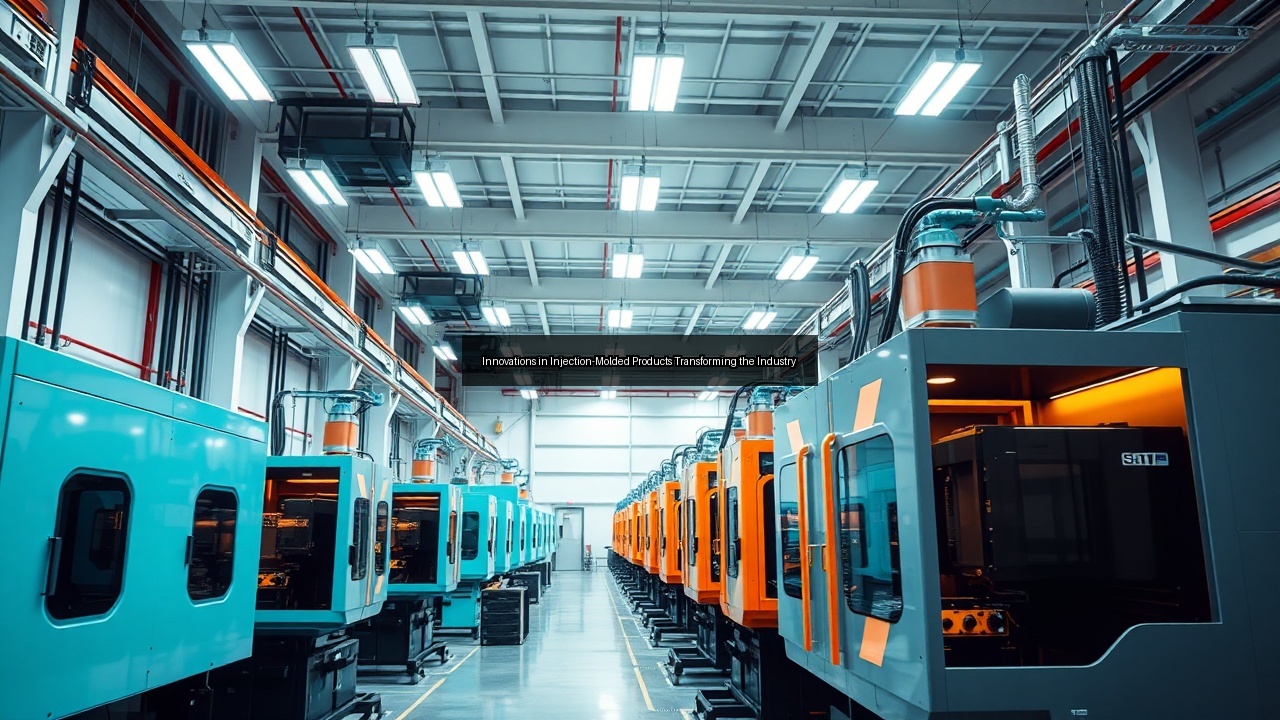
Revolutionizing Manufacturing: The Role of Innovations in Injection Molding
Overview of Injection Molding Process
Injection molding stands at the forefront of modern manufacturing. This process involves injecting molten material, typically plastic, into a precisely shaped mold. Once cooled, the material solidifies into the desired product shape. The simplicity and efficiency of this method allow for mass production of complex designs, making it a preferred choice in various industries. Manufacturers can create everything from intricate automotive components to consumer goods with remarkable precision. The versatility of the injection molding process ensures that it can adapt to various materials, including thermoplastics and thermosetting polymers, solidifying its role as a cornerstone of manufacturing.
Key Innovations in Injection Molding Technology
Recent advancements in injection molding technology have transformed the landscape of product manufacturing. Innovations such as multi-material injection molding, particularly two-shot injection molding, enable manufacturers to produce complex components with distinct material properties. This technology allows for the injection of two different plastics in a single cycle, resulting in products with enhanced aesthetics and functionality. Other key innovations include the development of advanced mold materials, improved cooling techniques, and enhanced simulation software. These advancements streamline production, reduce cycle times, and improve overall product quality. As technology continues to evolve, so does the efficiency and capability of injection molding processes.
The Impact of Two-Shot Injection Molding on Product Design
Two-shot injection molding has revolutionized product design by allowing manufacturers to combine different materials seamlessly. This technique enhances both the performance and appearance of injection-molded products. For instance, a manufacturer can create a product with a hard outer shell for durability and a soft inner layer for comfort, such as in medical devices or consumer electronics. This flexibility in design not only meets consumer demands for multifunctional products but also reduces assembly time and costs. The integration of two materials in a single mold minimizes the need for adhesive bonding, leading to stronger and more reliable products. As more industries embrace this technology, the potential for innovative product designs continues to expand.
Exploring the Advantages of Modern Injection-Molded Products
Enhanced Material Properties in Plastics
Modern injection-molded products benefit significantly from the enhanced material properties of advanced plastics. Manufacturers now have access to a wide range of engineered plastics that offer superior strength, flexibility, and resistance to heat and chemicals. These materials can withstand rigorous environmental conditions, making them ideal for automotive, aerospace, and medical applications. Additionally, new formulations allow for lighter and more durable products, further improving efficiency and reducing production costs. For example, the use of reinforced plastics can lead to products that are not only lightweight but also capable of bearing substantial loads, thus meeting the stringent demands of various industries.
Cost Efficiency and Scalability in Production
The cost efficiency of injection molding makes it a preferred manufacturing method for large-scale production. Once the initial investment in molds is made, the process allows for rapid production of high volumes of consistent parts. Manufacturers can achieve economies of scale that significantly lower the cost per unit. Automation in the injection molding process further enhances this efficiency, reducing labor costs and minimizing human error. As businesses grow, the scalability of injection molding enables them to increase production without compromising quality or speed. This adaptability is crucial in today's fast-paced market, where companies must respond quickly to consumer demands and changing trends.
Sustainability and Eco-Friendly Practices in Injection Molding
Sustainability has become a critical focus in the manufacturing industry, and injection molding is evolving to meet these demands. Many plastic injection molding manufacturers are adopting eco-friendly practices, such as using recycled materials and reducing waste during production. Innovations like bioplastics offer sustainable alternatives to traditional plastics, providing manufacturers with the opportunity to produce environmentally friendly products. Furthermore, advancements in energy-efficient machinery and processes help minimize energy consumption and carbon footprints. By prioritizing sustainability, manufacturers not only comply with regulations but also appeal to environmentally conscious consumers, enhancing their brand reputation and market reach.
Selecting the Right Plastic Injection Molding Manufacturer
Criteria for Choosing a Custom Plastic Injection Molding Company
Choosing the right plastic injection molding manufacturer can significantly impact product quality and business success. Start by evaluating the manufacturer’s experience and expertise in your specific industry. A company with a proven track record in custom plastic injection molding can offer valuable insights and solutions tailored to your needs. Assess their production capabilities, including the types of materials they work with and the technologies they employ, such as two-shot injection molding. Additionally, consider their commitment to quality assurance and customer service; a reliable manufacturer should maintain stringent quality control measures and offer responsive communication. Finally, review their pricing structure and lead times to ensure they align with your project requirements.
Top Plastic Injection Molding Companies in the Industry
The landscape of plastic injection molding companies features several notable players known for their innovation and quality. Companies like Proto Labs, Husky Injection Molding Systems, and NICOLET Plastics consistently deliver high-quality products across various industries. They offer advanced services, including rapid prototyping and custom molding solutions. Each of these manufacturers has carved out a niche based on their specialization, technology, and ability to meet specific customer needs. Whether you require complex designs or large-scale production, partnering with a reputable plastic injection molding company can lead to successful outcomes and long-term collaboration.
Nicolet Plastics: A Case Study in Innovation and Quality
NICOLET Plastics exemplifies excellence in the injection molding industry. With decades of experience, this company has become a leader in custom plastic injection molding solutions. NICOLET Plastics focuses on innovation, employing cutting-edge technologies such as two-shot injection molding to deliver high-quality products that meet diverse client needs. Their commitment to sustainability is evident in their use of eco-friendly materials and practices, positioning them as a responsible choice for environmentally conscious businesses. The company’s rigorous quality assurance processes ensure that every product meets the highest standards, making them a trusted partner for top-tier manufacturers in various sectors.
Future Trends in Injection Molding and Product Development
Emerging Technologies in Injection Mold Design
Emerging technologies are set to redefine injection mold design. Advanced simulation software now allows manufacturers to visualize and test mold designs before production begins, reducing errors and development time. Additive manufacturing, or 3D printing, is also gaining traction in mold creation, enabling faster prototyping and customization. These innovations not only enhance the design process but also improve the overall efficiency of production. As technologies evolve, manufacturers that adopt these advancements can stay competitive, delivering innovative products that meet the ever-changing demands of consumers.
Integration of Automation and Smart Manufacturing
The integration of automation in injection molding processes is transforming manufacturing efficiency. Smart manufacturing technologies, powered by the Internet of Things (IoT), allow for real-time monitoring and data analysis throughout production. This connectivity enables manufacturers to optimize processes, minimize downtime, and enhance productivity. Robotics play a crucial role in automating repetitive tasks, reducing labor costs, and improving safety on the production floor. As automation becomes more prevalent, the injection molding industry will likely see increased efficiency and reduced lead times, ultimately benefiting manufacturers and consumers alike.
The Future of Injection-Molded Products in Various Industries
The future of injection-molded products looks promising across multiple industries. As consumer demands evolve, manufacturers will continue to innovate to meet these needs. The automotive and medical sectors, in particular, are poised for growth in the use of advanced injection-molded components. With the rise of electric vehicles, manufacturers will require lightweight, durable parts that can withstand rigorous conditions. Similarly, the medical industry will benefit from the precision and customization capabilities of injection molding. As sustainability remains a priority, the development of eco-friendly materials and practices will further drive innovation, ensuring that injection molding remains a key player in the manufacturing landscape.
See Also
- Why Choosing the Right Injection Mold Manufacturer Can Transform Your Production
- Insights from Industry Leaders on the Future of Injection Molding
- How to Choose the Right Plastic Injection Molding Company for Your Project
- The Art of Precision in Custom Plastic Injection Molding Services
- Exploring the Versatility of Injection Molding Across Industries