Prototyping with Wire Forming Techniques for Efficient Product Development
Understanding Wire Forming Techniques
Overview of Wire Forming Processes
Wire forming encompasses a variety of processes that shape wires into specific configurations and forms. This technique involves using different wire forming methods to create prototypes, products, and components that meet precise specifications. The processes can include bending, coiling, twisting, and cutting wires made from various materials. Manufacturers leverage these processes to produce wire forms that are integral to numerous applications, from aerospace components to automotive parts. The versatility of wire forming lies in its ability to adapt to different diameters and shapes, allowing engineers to innovate and test designs efficiently. By utilizing wire forming processes, companies can accelerate product development cycles while ensuring high-quality outputs.
Common Wire Forming Materials
Materials play a crucial role in the effectiveness of wire forming techniques. Commonly utilized materials include stainless steel, carbon steel, and aluminum, each offering unique properties suitable for different applications. Stainless steel, for instance, provides excellent corrosion resistance and strength, making it ideal for aerospace and automotive components. Carbon steel, known for its durability and affordability, finds its place in less demanding environments. Aluminum offers lightweight characteristics, useful for applications where weight reduction is critical. Understanding the properties of these materials allows engineers to select the best wire for their specific projects, ensuring that the final product meets functional and aesthetic requirements.
Essential Wire Forming Machines
Wire forming machines are the backbone of the wire forming industry. These machines come in various types, including CNC (Computer Numerical Control) wire benders, spring coilers, and wire straightening machines. CNC technology has revolutionized wire forming by providing precision and repeatability in forming wire shapes. These machines can be programmed to create complex designs with tight tolerances, reducing human error and increasing efficiency in the production process. Additionally, spring coilers are specialized machines that create coil springs, which are essential in many mechanical applications. The combination of advanced machinery and skilled operators enables manufacturers to produce high-quality wire forms that meet rigorous industry standards.
Applications of Wire Forming in Prototyping
Prototyping for Aerospace Components
The aerospace industry demands high precision and reliability, making wire forming techniques invaluable for prototyping components. Engineers use wire forming to create intricate and lightweight structures that can withstand extreme conditions. For example, wire forms can be utilized in the design of brackets, supports, and other critical components that require exact specifications. Prototyping with wire forming allows aerospace engineers to test designs quickly and efficiently, ensuring that components meet safety and performance standards before full-scale production. By employing wire forming methods, aerospace manufacturers can innovate while adhering to stringent regulations and performance metrics.
Designing Coil Springs for Efficient Functionality
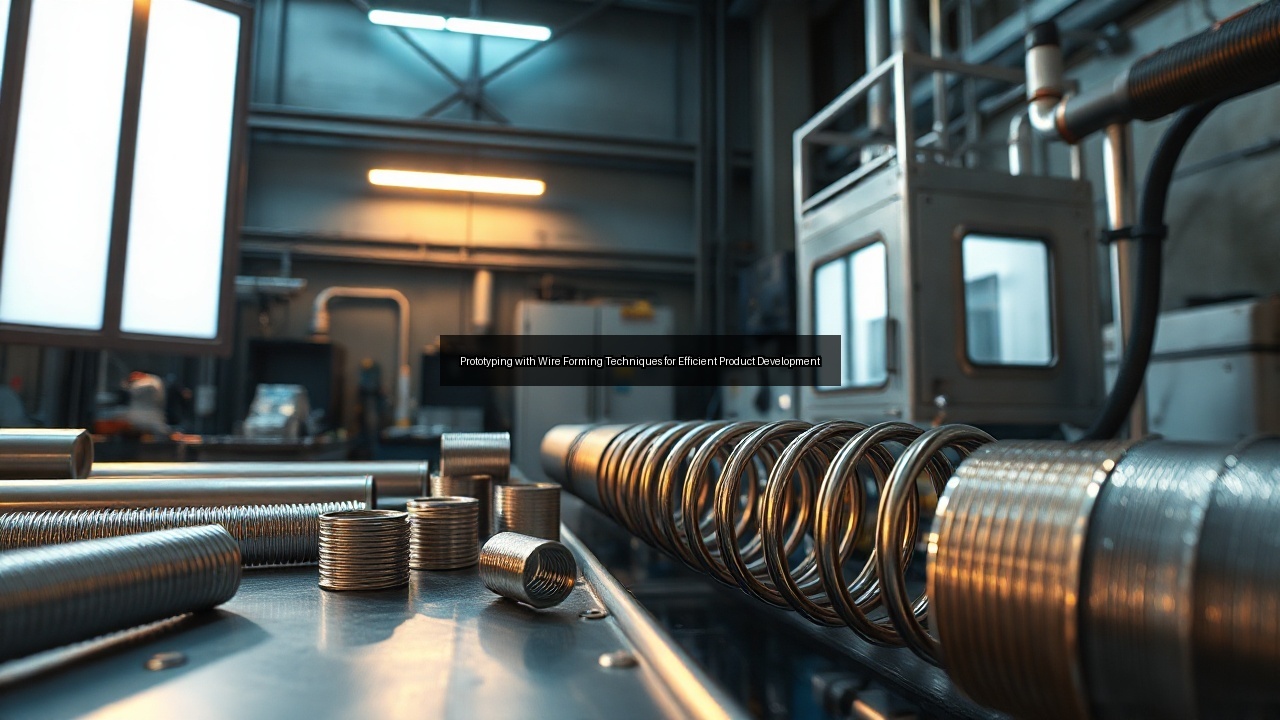
Coil springs are a prime example of how wire forming techniques enhance functionality in various applications. Engineers design coil springs to absorb shock, store energy, and provide a return force in mechanical systems. The creation of these springs relies heavily on precise wire forming capabilities, where the diameter and coil shape directly influence performance. Through prototyping, designers can experiment with different wire diameters and coil configurations to optimize functionality. The iterative process of prototyping and testing enables engineers to refine their designs, ensuring that the final product meets operational demands and efficiency standards.
Engineering Wire Shapes for Various Industries
Wire forming extends beyond aerospace and automotive applications. It plays a critical role in diverse industries, including medical, electronics, and furniture manufacturing. Engineers leverage wire forming to create specialized shapes that fit specific operational needs. For instance, in the medical field, wire forms can be used in devices such as stents and surgical instruments, where precision is paramount. Similarly, in electronics, formed wires connect components in devices, ensuring reliability and performance. The adaptability of wire forming techniques allows for a wide range of applications, making it a vital component of modern engineering and product development.
Precision Engineering in Wire Forming
Managing Tolerances in Wire Forming
Tolerances in wire forming are critical for ensuring that the final products meet design specifications and function as intended. Engineers must manage these tolerances closely during the design and prototyping phases. Variations in wire diameter, shape, and finish can significantly impact how a wire form interacts with other components. By employing precise measuring techniques and advanced machinery, manufacturers can produce wire forms that adhere to tight tolerances. This precision is particularly important in industries such as aerospace and medical devices, where even minor deviations can lead to failures. Effective tolerance management ensures that wire formed products perform reliably under their intended conditions.
The Role of CNC in Wire Forming
CNC technology has transformed the wire forming landscape by introducing automation and precision to the manufacturing process. CNC wire forming machines can perform complex operations that would be challenging or impossible to achieve manually. These machines allow for the creation of intricate wire shapes with exceptional accuracy, enabling engineers to push the boundaries of design. The programmability of CNC machines ensures consistency across batches, making them ideal for mass production as well as prototyping. This technology streamlines production workflows, reduces lead times, and enhances overall product quality, establishing CNC as a cornerstone of modern wire forming techniques.
Threading Techniques in Wire Design
Threading techniques are essential in wire design, particularly for applications that require secure connections between components. Engineers employ various threading methods to create threaded wire forms that can accommodate fasteners or connect multiple parts. These techniques can include rolling, cutting, or using specialized machines designed for threading processes. Proper threading ensures that components fit together seamlessly and perform their intended functions. In prototyping, experimenting with different threading methods and designs allows engineers to assess the best solutions for specific applications, enhancing product reliability and performance.
Advancements in Wire Forming Technology
Innovations in Wire Extrusion
Wire extrusion represents a significant advancement in the wire forming industry, allowing for the production of complex wire shapes and forms with consistent quality. This process involves forcing heated metal through a die to create wire with specific profiles, suitable for various applications. Innovations in wire extrusion technology have led to enhanced material properties and improved production rates. Manufacturers can now produce wire forms that meet stringent specifications while minimizing waste. These advancements contribute to more sustainable production practices and offer greater flexibility in design, enabling engineers to create custom wire forms that cater to specific requirements.
Emerging Brands in Wire Forming Services
The wire forming industry sees the emergence of new brands and service providers that bring innovative solutions to the market. These companies often focus on niche applications, providing specialized wire forming services that cater to specific industry needs. By leveraging advanced technologies and materials, these emerging brands enhance the overall capabilities of wire forming. They introduce fresh perspectives on design and engineering, pushing the boundaries of what is achievable with wire forms. As the industry evolves, these brands play a crucial role in driving innovation and improving service offerings, ultimately benefiting engineers and manufacturers alike.
Future Trends in Wire Forming Capabilities
Future trends in wire forming capabilities point toward increased automation, enhanced material options, and further integration of digital technologies. Manufacturers will likely continue to adopt smart manufacturing practices, utilizing data analytics and machine learning to optimize production processes. Additionally, advancements in materials science will lead to the development of new wire materials with enhanced properties, enabling more innovative designs. As industries demand more complex wire shapes and forms, wire forming techniques will evolve to meet these challenges. Continuous investment in research and development will ensure that wire forming remains a vital component of efficient product development across various sectors.