Unlocking the World of Carbon Steel Distributors for Your Construction Needs
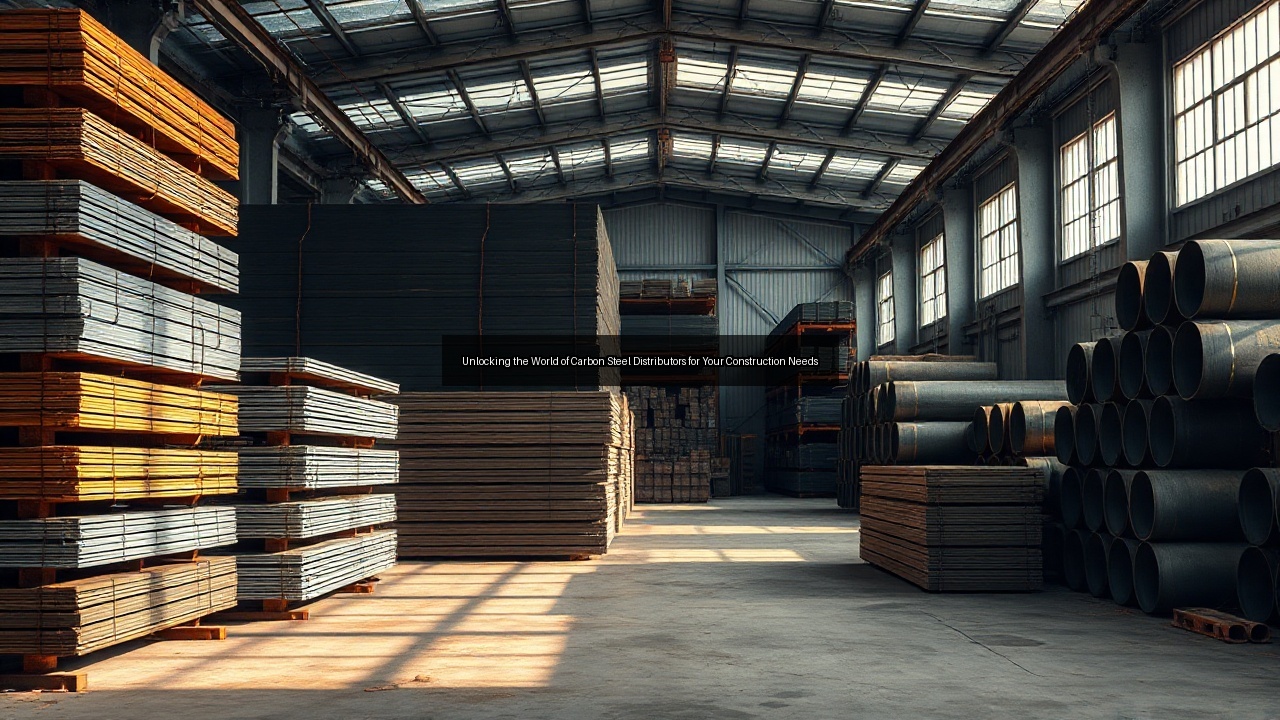
Understanding Carbon Steel and Its Importance in Construction
What is Carbon Steel?
Carbon steel, a versatile and widely used material, consists primarily of iron and carbon. The carbon content typically ranges from 0.05% to 2.0%, which significantly influences the metal's properties. This alloy forms the backbone of various construction applications due to its strength, durability, and affordability. Unlike stainless steel, carbon steel lacks significant amounts of chromium, making it more prone to rust if not properly treated. Nevertheless, its excellent tensile strength and ability to withstand high stress make it the material of choice for many construction projects, from residential buildings to infrastructure development.
Types of Carbon Steel: Low, Medium, and High Carbon
Carbon steel categorizes into three main types based on carbon content: low carbon steel, medium carbon steel, and high carbon steel. Low carbon steel contains up to 0.3% carbon and is soft, malleable, and easy to weld. It is ideal for applications like steel sheets and pipes, where flexibility is paramount. Medium carbon steel, with a carbon range of 0.3% to 0.6%, strikes a balance between strength and ductility, making it suitable for structural components like beams and automotive parts. High carbon steel, containing 0.6% to 2% carbon, boasts exceptional hardness and strength, often used in cutting tools and heavy-duty machinery. Understanding these distinctions helps builders choose the right carbon steel distributor for their specific needs.
Benefits of Using Carbon Steel in Construction
Using carbon steel in construction offers numerous advantages. Its high tensile strength ensures that structures can bear significant loads, making it ideal for beams and supports. Cost-effectiveness also plays a crucial role; carbon steel is generally less expensive than other alloys, such as stainless steel. Additionally, carbon steel's versatility allows for various applications, from structural components to decorative elements. Its weldability enables seamless integration into different construction projects. Moreover, carbon steel is recyclable, aligning with sustainable building practices and reducing overall environmental impact. These benefits solidify carbon steel's status as a preferred material in the construction industry.
Choosing the Right Carbon Steel Distributor
Key Factors to Consider When Selecting a Distributor
Selecting the right carbon steel distributor involves careful consideration of several factors. First, assess the distributor's reputation in the industry. Reliable suppliers often have positive reviews and long-standing relationships with clients. Next, evaluate the range of carbon steel products offered, from sheets to pipes and alloy options. Ensure the distributor can meet your specific project requirements, including custom sizes or grades. Additionally, consider their ability to provide timely delivery and logistics support, crucial for keeping your construction schedule on track. Finally, verify certifications and quality standards, ensuring that the carbon steel supplied meets necessary regulations and specifications.
Top Carbon Steel Distributors in Your Area
Finding top carbon steel distributors in your area can significantly impact the success of your construction project. Start by conducting local searches or asking for referrals from industry contacts. Well-known distributors often have established networks, ensuring a reliable supply chain. In California, for example, several reputable companies specialize in distributing carbon steel. They provide a range of products, including low carbon steel sheets and high carbon steel rods. Explore online directories and review platforms to compile a list of potential suppliers. Engaging with local distributors can also yield benefits like reduced transportation costs and quicker delivery times, crucial for construction timelines.
How to Evaluate Carbon Steel Suppliers' Quality
Evaluating the quality of carbon steel suppliers requires a systematic approach. Begin by reviewing their certifications and compliance with industry standards, such as ASTM or ISO certifications. These indicators demonstrate the supplier's commitment to quality assurance. Inspect product samples whenever possible, assessing their physical properties and consistency. Inquire about their sourcing practices, ensuring that materials come from reputable manufacturers. A reliable supplier should also provide documentation of material specifications and test results. Finally, consider customer feedback regarding durability and performance in real-world applications. This comprehensive evaluation will guide you in selecting a carbon steel distributor that meets your project’s quality standards.
Carbon Steel Products and Their Applications
Common Carbon Steel Products for Construction
Carbon steel products serve various applications in construction, making them indispensable for builders and contractors. Common products include carbon steel sheets, plates, and beams, which form the structural framework of buildings and bridges. Steel pipes, which come in various sizes and grades, are vital for plumbing, HVAC systems, and structural supports. Rebar, or reinforcing bars, made from carbon steel, strengthens concrete structures. Additionally, carbon steel rods and wires are essential for various fabrication processes. The versatility of these products ensures that they can meet the diverse needs of construction projects, from residential homes to large-scale infrastructure developments.
The Role of Alloy Steel in Enhancing Carbon Steel
Alloy steel, which combines carbon steel with other elements like manganese, nickel, or chromium, enhances the properties of the base metal. These alloys improve strength, corrosion resistance, and toughness, making them suitable for more challenging applications. For instance, alloy steels are often used in high-stress environments, such as heavy machinery and automotive components. By selecting carbon steel distributors that offer alloy options, builders can access materials tailored for specific project demands. Understanding the benefits of alloy steel allows construction professionals to make informed decisions that enhance the longevity and durability of their structures.
Welded vs. Non-Welded Carbon Steel Products
Choosing between welded and non-welded carbon steel products depends on the specific requirements of a construction project. Welded carbon steel products are often preferred for their strength and structural integrity. Welding connects various components, creating a unified structure that can withstand significant loads. This technique is common in frameworks, railings, and other applications requiring robustness. Non-welded carbon steel products, such as pre-fabricated sections or bolted connections, offer flexibility and ease of assembly. These products can simplify construction processes, particularly in modular building designs. Understanding the advantages of each option helps builders make the best choice for their projects.
Transportation and Delivery of Carbon Steel
Logistics of Distributing Carbon Steel Products
The logistics of distributing carbon steel products is a critical component of the supply chain in construction. Efficient transportation ensures that materials arrive on-site when needed, minimizing delays. Distributors often employ various methods, including truck, rail, and shipping, depending on the distance and volume of materials. Tracking systems play a vital role in logistics, allowing both suppliers and clients to monitor shipments in real-time. Proper handling and packaging are essential to prevent damage during transit, especially for products like steel sheets and pipes. By understanding the logistics involved, construction managers can better coordinate with carbon steel distributors to ensure timely and safe delivery.
Ensuring Timely Delivery for Construction Projects
Timely delivery of carbon steel products is essential for maintaining construction schedules. Delays can lead to increased costs and project overruns. Effective communication with your carbon steel distributor is crucial. Establish clear timelines and discuss any potential Distributor of carbon steel challenges upfront. Many distributors offer expedited shipping options for urgent needs, ensuring that materials arrive when required. Additionally, consider building a buffer into your project timeline to accommodate unforeseen delays. Collaborating closely with suppliers can help streamline the ordering process and enhance delivery efficiency, ultimately leading to a smoother construction experience.
Sustainable Practices in Carbon Steel Transportation
Incorporating sustainable practices in the transportation of carbon steel products benefits the environment and enhances the reputation of construction firms. Many distributors now prioritize eco-friendly logistics, utilizing fuel-efficient vehicles and optimizing routes to reduce carbon emissions. Packaging materials are increasingly made from recycled materials, further minimizing the environmental impact. Additionally, some companies adopt a just-in-time delivery model, reducing the need for excessive inventory and storage. Builders can contribute to these sustainability efforts by selecting carbon steel distributors that prioritize green practices, aligning their projects with broader environmental goals and enhancing their commitment to responsible construction.