How Precision CNC Machining is Transforming the Automotive Industry

The Evolution of CNC Machining in the Automotive Industry
Historical Context of CNC in Automotive
Precision CNC machining revolutionized automotive manufacturing starting in the mid-20th century. Engineers first introduced computer numerical control systems in the 1950s to automate machine tools, replacing manual operations that dominated the industry. In automotive plants, early adopters like Ford and General Motors experimented with numerical control for milling machines and lathes, boosting production speeds during the post-war boom. This shift marked a pivotal moment, as CNC programming allowed for repeatable accuracy in fabricating complex parts like engine blocks and transmission gears. By the 1970s, widespread adoption of CNC machines transformed assembly lines, enabling manufacturers to handle intricate designs with minimal human error. Today, the legacy of these innovations persists, with modern CNC machining services integrating advanced software for even tighter tolerances. Historical reliance on skilled machinists gave way to automated processes, laying the groundwork for the precision engineering that defines current automotive fabrication. This evolution underscores how CNC technology addressed the growing demand for high-volume, precise parts in vehicles, from sedans to trucks.
Shift from Traditional to CNC Machining
Automotive manufacturers abandoned traditional machining methods for CNC systems to meet escalating demands for precision and efficiency. Manual milling and turning, once reliant on operator expertise, often led to inconsistencies in tolerances and surface finishes. Precision CNC machining eliminated these issues by using programmed instructions to guide tools like end mills and drills with exact movements. The transition accelerated in the 1980s as computer-aided design (CAD) software emerged, allowing engineers to model parts digitally before production. CNC machine shops now dominate, offering services from CNC milling to turning, far surpassing the limitations of hydraulic presses and manual lathes. This change reduced scrap rates and enabled custom machining for prototypes, vital for iterative design in automotive development. Fabricators report that CNC precision machining techniques cut lead times dramatically, fostering innovation in vehicle components. The move to numerical control not only streamlined workflows but also opened doors to handling diverse materials, from steel alloys to titanium, reshaping the entire CNC machining industry.
Integration of Robotics in CNC Processes
Robotics integration elevates precision CNC machining in automotive production by automating repetitive tasks and enhancing safety. Robotic arms now load and unload parts into CNC machines, synchronizing with milling and turning operations for seamless workflows. In modern assembly lines, these systems handle heavy components like chassis parts, reducing downtime and human intervention. Automation through robotics pairs with CNC programming to achieve sub-millimeter accuracy, crucial for high-performance engines. Manufacturers leverage robotic tooling for tasks such as welding and plasma cutting, complementing core CNC functions. This synergy boosts throughput in CNC fabrication, allowing plants to scale production without proportional labor increases. For instance, electric vehicle makers use robotic-assisted CNC machining to fabricate intricate battery housings from lightweight alloys. The result? Faster prototyping and fewer defects, positioning robotics as a cornerstone of advanced CNC manufacturing. As the automotive sector pushes for smarter factories, robotics continue to refine precision engineering, ensuring competitive edges in speed and quality.
Key Technologies Driving Precision CNC Machining
Computer Numerical Control (CNC) Systems
Computer numerical control systems form the backbone of precision CNC machining, directing machine tools with coded instructions for unparalleled accuracy. These systems interpret G-code from CAD files to control axes on mills, lathes, and routers, executing cuts on materials like aluminum and titanium alloys. In automotive applications, CNC systems enable multi-axis operations, producing complex geometries unattainable by manual methods. Advanced controllers incorporate real-time feedback sensors for calibration, maintaining tolerances as tight as 0.001 inches. CNC machine shops rely on these technologies for everything from rapid prototyping to full-scale production, minimizing errors in high-stakes parts like pistons. The evolution of CNC programming software has democratized access, allowing engineers to simulate processes virtually before machining. This not only saves time but also optimizes tool paths, reducing wear on cutting tools. As precision manufacturing demands grow, CNC systems integrate with IoT for predictive maintenance, ensuring uninterrupted operations in the CNC machining industry. Their versatility across metals, plastics, and composites solidifies their role in transforming automotive fabrication.
Advancements in Tooling and Tool Design
Tooling innovations propel precision CNC machining forward, with custom designs tailored for automotive demands. High-speed steel and carbide tools now feature advanced coatings to withstand heat and friction during milling and turning. Engineers optimize tool geometry for specific tasks, like diamond-tipped inserts for machining titanium components in engine parts. CNC turning centers benefit from quick-change tooling systems, slashing setup times in production runs. Surface finishes improve dramatically with these advancements, achieving mirror-like polishes on shafts and gears. In the realm of CNC custom machining, modular tooling allows flexibility for prototypes, adapting to varied alloys without extensive retooling. Disk grinding and electrical discharge machining (EDM) complement traditional tools, handling hardened steels where milling alone falls short. Automotive fabricators invest in these upgrades to meet stringent tolerances, enhancing part durability. The focus on sustainable tooling, using recyclable materials, aligns with industry shifts toward eco-friendly practices. Overall, smarter tool design elevates CNC precision engineering, driving efficiency and innovation in vehicle manufacturing.
Role of CAD in CNC Machining
CAD software revolutionizes precision CNC machining by bridging design and production in automotive engineering. Designers create detailed 3D models of components like brake calipers or suspension arms, which CAM systems convert into machine-readable code. This integration ensures seamless transfer from concept to CNC milling machines, eliminating translation errors. In precision machining techniques, CAD enables finite element analysis to predict stress points, optimizing material use in titanium alloys or plastics. Automotive manufacturers use CAD for virtual prototyping, testing fits before committing to CNC fabrication. The precision it affords supports complex curvatures in body panels, achieved through multi-axis CNC machines. Collaboration tools in CAD platforms streamline workflows between engineering teams and machine shops, accelerating time-to-market. For CNC machining services, accurate CAD files reduce iterations, cutting costs associated with rework. As the technology advances, AI-enhanced CAD refines designs for better aerodynamics and weight reduction in vehicles. Its indispensable role underscores how digital precision fuels the CNC manufacturing ecosystem.
Applications of Precision CNC Machining in Automotive Manufacturing
Precision Machining of Engine Components
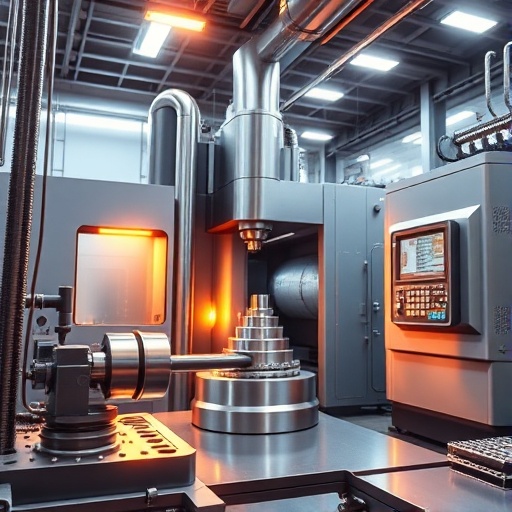
Precision CNC machining crafts critical engine components with exacting standards, ensuring reliability in high-revving automotive powertrains. CNC milling machines shape cylinder heads from aluminum alloys, achieving tolerances vital for compression and heat dissipation. Turning operations on automatic lathes produce crankshafts and camshafts, balancing weight and strength for smoother performance. In turbocharged engines, CNC machining fabricates intricate turbine blades from titanium, resistant to extreme temperatures. Electrical discharge machines (EDM) refine electrodes for fuel injectors, delivering pinpoint accuracy where traditional tools falter. Automotive engineers rely on CNC programming to integrate cooling channels, enhancing efficiency in modern hybrids. Sheet metal forming pairs with CNC processes for exhaust manifolds, combining laser cutting for initial shapes. This application extends to valvetrain parts, where surface finishes from grinding ensure minimal friction. Precision CNC machining services enable custom solutions for performance upgrades, from racing to everyday drives. The outcome? Engines that run cooler, quieter, and more powerfully, redefining automotive standards.
CNC Machining for Automotive Body Parts
CNC machining shapes automotive body parts with finesse, from chassis frames to aerodynamic spoilers. Multi-axis CNC mills cut aluminum and steel sheets into lightweight panels, reducing vehicle weight without sacrificing safety. Precision turning handles tubing for roll cages, ensuring seamless welds in racing applications. In electric vehicles, CNC fabrication produces battery enclosures from composites and metals, sealing against environmental hazards. Laser cutting integrates with CNC workflows for door panels, achieving clean edges and custom perforations for ventilation. Fabricators use CNC machine shops to prototype fenders and hoods, iterating designs rapidly via CAD integration. Tolerances in these parts demand sub-micron accuracy to align with assembly robots, preventing gaps or vibrations. CNC precision machining also excels in decorative elements, like chrome-plated trim from copper alloys, blending form and function. Outsourcing to specialized CNC services allows manufacturers to focus on core assembly while securing high-quality body components. This versatility transforms how vehicles look and perform on the road.
Utilization of Hybrid Manufacturing Techniques
Hybrid manufacturing techniques merge precision CNC machining with additive processes, expanding automotive possibilities. CNC milling subtracts material from blanks, while 3D printing adds layers for complex internal structures in parts like intake manifolds. This combination yields lightweight gears from titanium alloys, optimizing strength-to-weight ratios for fuel efficiency. In CNC turning followed by laser cladding, manufacturers repair worn components, extending lifecycle in heavy-duty trucks. EDM complements hybrid setups for finishing hybrid-printed molds used in plastic injection for dashboards. Automotive fabricators adopt these methods for rapid prototyping, blending CNC accuracy with additive speed to test designs swiftly. CNC programming adapts to hybrid workflows, controlling transitions between processes seamlessly. The result includes innovative brake systems with integrated cooling fins, impossible through single-method machining. Precision engineering in hybrids reduces waste, appealing to cost-conscious manufacturers. As CNC machining technology evolves, hybrid techniques position the industry for smarter, more sustainable production.
Benefits of Precision CNC Machining in Automotive Production
Enhanced Accuracy and Tolerances
Precision CNC machining delivers unmatched accuracy and tolerances, critical for automotive safety and performance. Machines maintain deviations under 0.0005 inches, far surpassing manual capabilities, ensuring parts like pistons fit perfectly in bores. Calibration routines and sensor feedback prevent drift during long runs, vital for high-volume engine production. In CNC milling, multi-tool heads achieve uniform surface finishes, reducing wear in transmissions. Tolerances enable tighter seals in hydraulic systems, minimizing leaks and boosting efficiency. Automotive manufacturers specify these standards in CNC services contracts, guaranteeing compliance through inspections. Compared to traditional methods, CNC precision engineering cuts rejection rates by up to 70%, streamlining quality control. For aircraft-inspired automotive parts, like supercharger housings, extreme tolerances handle high pressures. This benefit extends to custom machining, where one-off prototypes match production quality. Ultimately, superior accuracy translates to vehicles that perform reliably, mile after mile.
Cost Efficiency and Time Savings
Precision CNC machining slashes costs and timelines in automotive production through automation and optimization. CNC machines run unattended overnight, maximizing uptime and reducing labor expenses compared to manual shops. Tool path algorithms minimize material waste, lowering raw costs for metals like steel and plastics. Setup times drop with quick-tooling changes, enabling just-in-time manufacturing for assembly lines. Outsourcing to CNC machine shops provides access to specialized equipment without capital investment, ideal for smaller fabricators. In the CNC machining industry, predictive analytics forecast maintenance, avoiding costly breakdowns. Rapid prototyping via CNC turning accelerates design cycles, getting vehicles to market faster. For instance, producing 1,000 gearbox components costs 40% less with CNC than traditional methods. Efficiency gains compound in hybrid setups, combining processes to eliminate secondary operations. These savings empower manufacturers to invest in innovation, like advanced driver-assistance systems, while keeping prices competitive.
Diverse Material Compatibility: Metals and Plastics
Precision CNC machining handles a broad spectrum of materials, from metals to plastics, suiting diverse automotive needs. CNC mills cut titanium alloys for lightweight frames, resisting corrosion in harsh environments. Steel and aluminum yield to turning tools for durable chassis elements, while copper finds use in electrical connectors. Plastics like ABS and polycarbonate shape easily for interior trim, offering cost-effective alternatives to metals. CNC programming adjusts speeds and feeds for each material, preventing cracks in brittle composites or melting in thermoplastics. In automotive fabrication, this versatility supports electric vehicle components, machining insulating housings from engineering plastics. Gold plating on CNC-machined contacts enhances conductivity in sensors. Tolerances remain consistent across substrates, ensuring interoperability in assemblies. Machine shops stock varied tooling for seamless transitions, boosting throughput. This compatibility drives innovation, enabling mixed-material designs that improve fuel economy and recyclability in modern vehicles.
Future Trends and Innovations in CNC Machining
The Impact of 3D Printing on CNC Machining
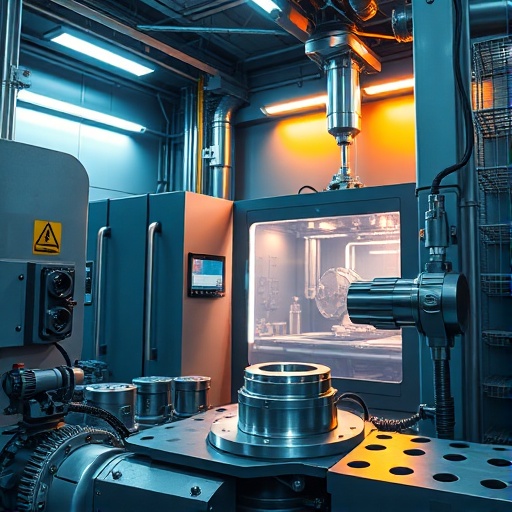
3D printing reshapes precision CNC machining by enabling hybrid workflows that accelerate automotive innovation. Additive manufacturing builds prototypes overnight, which CNC finishing refines for functional testing. In engine development, printed cores guide CNC milling of cooling passages in cylinder heads. This duo reduces lead times from weeks to days, crucial for iterative designs in autonomous vehicles. CNC services now incorporate post-print machining for smooth surface finishes on plastic and metal parts. Titanium alloy components benefit from 3D's complex geometries, followed by CNC turning for precision fits. The integration cuts prototyping costs by 50%, freeing budgets for R&D. As materials advance, like printable high-strength alloys, CNC complements by adding subtractive accuracy. Fabricators explore digital twins, simulating print-CNC sequences virtually. This trend promises lighter, stronger parts, transforming how manufacturers approach vehicle architecture and sustainability.
Emergence of Smart Machining Technologies
Smart machining technologies infuse intelligence into precision CNC machining, predicting and preventing issues in automotive production. AI-driven systems monitor vibration and heat in real-time, adjusting feeds on milling machines to maintain tolerances. IoT connectivity links CNC machines to factory networks, enabling remote diagnostics and optimization. In CNC programming, machine learning refines tool paths based on past runs, enhancing efficiency for body part fabrication. Robotic automation evolves with smart sensors, handling delicate tasks like electrode placement in EDM. Automotive engineers use data analytics to forecast wear on tools, scheduling replacements proactively. This leads to 20% higher uptime in CNC machine shops. Cloud-based CAM software collaborates across teams, speeding custom machining requests. For precision engineering, augmented reality aids operators in calibration, reducing errors. These innovations position the CNC manufacturing sector for Industry 4.0, delivering agile, responsive production lines that adapt to market shifts.
Sustainability in CNC Manufacturing Processes
Sustainability shapes the future of precision CNC machining, with eco-friendly practices gaining traction in automotive manufacturing. Energy-efficient CNC machines with regenerative drives cut power use by 30%, aligning with green initiatives. Coolant recycling systems minimize waste in milling and turning operations, preserving resources for metalworking. Manufacturers select biodegradable lubricants for tooling, reducing environmental impact on plastics and alloys. CNC programming optimizes paths to generate less scrap, promoting a circular economy where machined offcuts feed recyclers. In hybrid techniques, 3D printing reduces material needs before CNC finishing. Automotive fabricators track carbon footprints via software, targeting net-zero goals. Outsourcing to sustainable CNC services ensures compliance with regulations. Innovations like plasma cutting with low-emission gases further green the process. This focus not only lowers costs through efficiency but also appeals to eco-conscious consumers, ensuring the industry's long-term viability.