How to Choose the Right Gauge for Your Chlorine Storage Needs
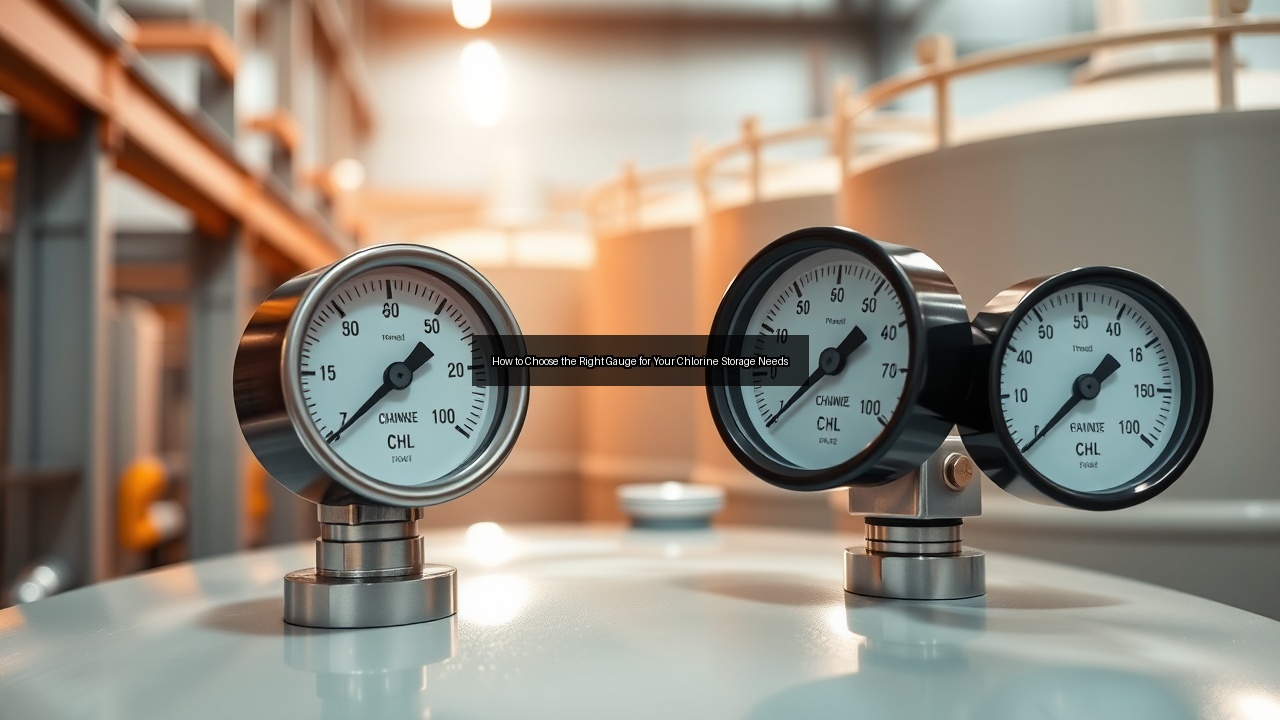
Understanding Chlorine Storage Needs
Types of Chlorine Used in Industry
Chlorine serves as a cornerstone chemical in industries ranging from water treatment to manufacturing bleach and disinfectants. Workers handle chlorine in various forms, including liquid chlorine stored in cylinders or tanks, and sodium hypochlorite, the active ingredient in bleach solutions. Liquid chlorine arrives as a compressed gas that liquefies under pressure, demanding robust storage tanks to prevent leaks or explosions. Industries also use chlorine in drums for smaller-scale operations, where the chemical's reactivity requires careful containment. Sodium hypochlorite, often diluted in water, presents unique challenges due to its corrosive nature, influencing the choice of chlorine tank gauges for precise monitoring. Acid-based chlorine compounds add another layer, as they demand gauges resistant to chemical degradation. Understanding these types ensures safe handling; for instance, water purification plants rely on large storage tanks filled with liquid chlorine to sanitize millions of gallons daily. Chemical processing facilities store chlorine in cylinders for on-site reactions, while bleach production demands drums of sodium hypochlorite to maintain product integrity. Selecting the right chlorine tank gauges starts with identifying the chlorine variant, as mismatched monitoring can lead to inefficiencies or hazards in industrial settings.
Importance of Accurate Gauge Measurement
Accurate gauge measurement in chlorine storage prevents costly downtime and ensures operational safety across facilities. Chlorine tank gauges track levels in tanks, drums, or cylinders, alerting operators when supplies run low or approach capacity. Without precise readings, teams risk overfilling storage tanks, which could trigger pressure buildups in liquid chlorine systems. In water treatment, exact measurements of sodium hypochlorite levels guarantee consistent dosing for bleach production or disinfection processes. Gauges also monitor weight in drums, crucial for tracking chemical usage in manufacturing. Poor accuracy leads to imbalances, such as under-dosing in pools or overexposure in chemical reactions involving acids. Reliable tank gauges integrate seamlessly with engineering controls, providing real-time data to minimize human error. For example, a gallon-based reading helps operators calculate remaining chlorine for extended shifts, avoiding unexpected shortages. In corrosive environments, durable gauges maintain precision despite exposure to chemicals, safeguarding against leaks that could contaminate surroundings. Ultimately, investing in high-quality chlorine tank gauges boosts efficiency, reduces waste, and complies with regulatory standards for handling hazardous substances like chlorine.
Impact of Chlorine on Storage Tanks
Chlorine exerts a profound impact on storage tanks, accelerating corrosion and demanding specialized materials for longevity. Liquid chlorine, stored under pressure in steel cylinders or tanks, reacts with moisture to form hydrochloric acid, which eats away at metal surfaces over time. This chemical aggression shortens the lifespan of untreated tanks, leading to frequent replacements and increased downtime. Sodium hypochlorite solutions, common in bleach storage, promote oxidation that weakens plastic liners or stainless steel exteriors. Drums used for smaller quantities face similar threats, as chlorine vapors infiltrate seals and degrade components. Engineering designs counter this by incorporating corrosion-resistant coatings on tanks, yet gauges must withstand the same rigors to function reliably. Rain exacerbates the issue, as water mixes with chlorine residues to intensify acidic corrosion on outdoor storage tanks. Facilities storing gallons of liquid chemicals in tanks monitor structural integrity through integrated tank gauges, which detect early signs of material fatigue. Without proper mitigation, chlorine's effects result in breaches, environmental hazards, and regulatory fines. Selecting gauges compatible with chlorine's properties ensures tanks remain viable, supporting safe chemical handling in diverse industrial applications.
Factors to Consider When Choosing a Tank Gauge
Type of Chlorine Storage: Tanks vs. Drums
Choosing a tank gauge hinges on the storage method, whether expansive tanks or compact drums, each presenting distinct demands for chlorine handling. Large storage tanks hold thousands of gallons of liquid chlorine or sodium hypochlorite, requiring gauges that provide broad visibility into levels and weights for industrial-scale operations. These chlorine tanks demand robust tank gauges capable of withstanding high pressures and chemical exposures, ensuring accurate monitoring to prevent overflows or shortages in water treatment plants. Drums, on the other hand, store smaller volumes of chemicals like bleach or acid solutions, often in cylinders for portability. Gauge selection for drums focuses on lightweight, easy-to-read designs that track remaining contents without complicating transport. For instance, a weight-based gauge suits drums, as operators can quickly assess chlorine levels during loading onto trucks. Tanks benefit from integrated level sensors for continuous data, while drums might use simple mechanical gauges to avoid complexity. Environmental factors influence both; outdoor tanks face rain exposure, necessitating weatherproof chlorine tank gauges. By evaluating storage type, facilities optimize safety and efficiency, tailoring gauges to the specific chlorine tank or drum configuration in use.
Material Compatibility: Plastic vs. Stainless Steel
Material compatibility drives gauge selection, pitting plastic against stainless steel for chlorine storage resilience. Plastic gauges, often made from high-density polyethylene, offer affordability and resistance to corrosion from sodium hypochlorite or bleach solutions. They suit non-pressurized tanks holding liquid chemicals, where flexibility prevents cracking under thermal expansion. However, plastic falters in high-pressure chlorine cylinders, as it deforms under stress, leading to inaccurate readings and potential downtime. Stainless steel gauges shine in demanding environments, withstanding the acidic byproducts of chlorine reactions without degrading. These robust options integrate seamlessly with steel storage tanks, providing durability for industrial applications involving gallons of hazardous chemicals. Engineering standards favor stainless steel for its non-reactive surface, which resists pitting from chlorine vapors. Plastic works well for drums in milder settings, like indoor bleach storage, but stainless steel excels outdoors against rain and corrosion. Weighing costs against longevity, facilities choose based on chemical aggressiveness; for pure liquid chlorine tanks, stainless steel gauges ensure precision. Ultimately, matching gauge material to storage needs—plastic for cost-effective, low-risk setups or stainless steel for heavy-duty protection—safeguards operations.
Environmental Considerations: Rain and Corrosion Resistance
Environmental factors like rain and corrosion resistance shape the ideal chlorine tank gauge, protecting systems in outdoor or humid settings. Rainwater, mixing with chlorine residues on tanks, forms corrosive acids that erode unprotected gauges, compromising accuracy in storage tanks or drums. Facilities storing liquid chlorine outdoors prioritize gauges with sealed housings to repel moisture, ensuring reliable level or weight readings despite weather exposure. Corrosion from sodium hypochlorite vapors accelerates in damp conditions, demanding materials like stainless steel that form protective oxide layers. Plastic gauges offer inherent resistance but may warp in prolonged rain, leading to downtime in chemical processing. Engineering solutions include epoxy coatings on tank gauges, enhancing durability for bleach or acid storage. For cylinders in coastal areas, salt-laden rain intensifies challenges, so gauges with IP-rated enclosures prevent ingress. Regular inspections reveal early corrosion signs, but selecting resistant models upfront minimizes risks. In water treatment plants, where tanks hold thousands of gallons, weatherproof chlorine tank gauges maintain operational continuity, reducing maintenance costs. By addressing rain and corrosion proactively, operators ensure safe, efficient handling of chlorine across varied environments.
Types of Chlorine Tank Gauges
Mechanical vs. Electronic Gauges
Mechanical and electronic gauges represent core types for chlorine tank monitoring, each offering unique advantages in industrial applications. Mechanical gauges rely on physical mechanisms like floats or diaphragms to indicate levels in storage tanks, providing straightforward, power-independent readings for liquid chlorine or sodium hypochlorite. Operators favor them for drums and cylinders due to simplicity and low cost, though they require manual checks that can introduce errors in large tanks. Electronic gauges, powered by sensors, deliver digital precision, integrating with control systems for real-time data on weight or volume. In bleach production, electronic models track gallons accurately, alerting to low levels before downtime occurs. Mechanical options suit harsh chemical environments where electronics might fail from corrosion, but electronic gauges excel in automated setups, resisting rain with sealed designs. Stainless steel casings enhance both types for chlorine compatibility, preventing acidic degradation. Facilities weigh reliability against tech needs; mechanical for basic tank gauges in remote sites, electronic for engineering-integrated chlorine tank gauges. Transitioning between them optimizes safety, as electronic variants reduce human intervention in hazardous chemical handling.
Weight-Based Gauges: Pros and Cons
Weight-based gauges measure chlorine storage by tracking tank or drum mass, offering direct insights into remaining chemicals. These tank gauges shine in accuracy for liquid chlorine, where volume fluctuations due to temperature don't skew readings, unlike level-based systems. Pros include simplicity—operators read weights directly on scales integrated into storage tanks—ideal for drums holding sodium hypochlorite or bleach. They handle corrosion-prone environments well, as mechanical weight sensors avoid direct chemical contact, minimizing downtime from failures. In industrial settings, weight gauges support precise inventory for thousands of gallons, aiding compliance with safety regulations. However, cons emerge in setup complexity; installing load cells under large tanks demands engineering expertise and can prove costly upfront. Portability suffers for cylinders, as added weight mechanisms hinder mobility. Rain exposure might affect outdoor scales unless protected, leading to corrosion over time. Despite drawbacks, pros outweigh for high-stakes applications like water treatment, where exact chemical weights prevent over- or under-dosing. Selecting weight-based chlorine tank gauges balances these factors, ensuring reliable performance in chemical storage.
Level Sensors: How They Work
Level sensors detect chlorine depths in tanks through ultrasonic, radar, or capacitive technologies, revolutionizing monitoring precision. Ultrasonic sensors emit sound waves that bounce off liquid surfaces, calculating distances to gauge volumes in storage tanks holding sodium hypochlorite or bleach. This non-contact method avoids corrosion issues, as probes stay above the chemical, ideal for acidic chlorine environments. Radar sensors use microwaves for similar readings, penetrating vapors in pressurized cylinders without interference from rain or foam. Capacitive sensors measure changes in electrical fields as liquid levels rise, suiting plastic drums where direct immersion works safely. In operation, these level sensors convert signals to digital outputs, displaying gallons or percentages on interfaces linked to engineering controls. For large chlorine tanks, they provide continuous data, preventing overflows and optimizing refills. Installation involves mounting at tank tops, with calibration ensuring accuracy amid temperature swings. Pros include versatility across chemicals, but cons like higher costs and power needs apply. Mastering how level sensors work empowers facilities to choose chlorine tank gauges that enhance safety and efficiency in diverse storage scenarios.
Best Practices for Maintaining Your Chlorine Gauge
Regular Calibration and Maintenance
Regular calibration and maintenance keep chlorine tank gauges functioning optimally, extending their service life in demanding chemical environments. Operators schedule monthly checks for mechanical gauges on storage tanks, adjusting floats or dials to match known levels of liquid chlorine or sodium hypochlorite. Electronic models require software updates and sensor cleaning to remove corrosive residues from bleach vapors. In drums or cylinders, maintenance involves inspecting seals against rain ingress, preventing downtime from water-damaged components. Calibration uses certified weights for accuracy, ensuring readings reflect true gallons in tanks. Engineering protocols recommend annual professional servicing for stainless steel gauges exposed to acids, replacing worn parts to combat corrosion. Neglect leads to inaccurate data, risking chemical spills or inefficient dosing in water treatment. Documenting maintenance logs aids compliance, while training staff on procedures fosters proactive care. For plastic gauges in milder setups, simple wipe-downs suffice, but rigorous routines apply to high-pressure systems. Implementing these practices minimizes failures, safeguarding operations and reducing long-term costs associated with chlorine storage.
Identifying Signs of Downtime or Malfunction
Spotting signs of downtime or malfunction in chlorine tank gauges prevents minor issues from escalating into major hazards. Fluctuating readings on level sensors signal sensor drift, common in tanks exposed to corrosive chlorine vapors or sodium hypochlorite splashes. Mechanical gauges sticking at inconsistent weights indicate debris buildup in drums, halting accurate chemical tracking. Visual cues like rust on stainless steel housings or cracks in plastic components point to corrosion from rain or acids, demanding immediate replacement. Electronic gauges may flicker or power-cycle, suggesting moisture intrusion in outdoor chlorine tanks. Downtime manifests as unexplained level drops, potentially from leaks in cylinders holding bleach solutions. Operators monitor for error codes in integrated systems, cross-verifying with manual measurements to confirm malfunctions. In engineering terms, baseline performance data helps detect deviations early, averting production halts. Training emphasizes logging anomalies, like unresponsive tank gauges during routine checks, to trace root causes like chemical overloads. Quick identification ensures swift repairs, maintaining safety and flow in chemical handling processes.
Safety Precautions When Handling Chemicals
Safety precautions form the backbone of handling chemicals during chlorine gauge maintenance, prioritizing worker protection in storage areas. Always don personal protective equipment—gloves, goggles, and respirators—before inspecting tanks or drums containing liquid chlorine or sodium hypochlorite. Ventilate spaces to disperse toxic vapors, especially in confined setups with bleach or acids. Lock out power sources for electronic gauges to avoid shocks while calibrating in wet, rain-exposed environments. Use non-sparking tools near cylinders to prevent ignition of chlorine gases. Engineering safeguards, like secondary containment for storage tanks, contain spills during gauge checks. Train teams on emergency protocols, including eyewash stations for chemical splashes. Monitor weather to avoid maintenance in heavy rain, which could worsen corrosion on stainless steel components. For weight-based gauges, secure tanks against tipping during inspections. These measures reduce risks of exposure or accidents, ensuring compliance with OSHA standards. By embedding safety into routines, facilities handle chlorine tank gauges responsibly, fostering a secure workplace.
Conclusion: Making an Informed Choice

Evaluating Your Specific Chlorine Storage Needs
Evaluating specific chlorine storage needs guides the selection of ideal tank gauges, tailoring solutions to operational realities. Assess volume requirements—large tanks for industrial water treatment versus drums for on-site bleach mixing—to determine gauge capacity. Consider chemical types: pure liquid chlorine demands pressure-resistant models, while sodium hypochlorite solutions favor corrosion-proof designs. Factor in site conditions, like rain frequency affecting outdoor storage tanks, to prioritize weatherproof chlorine tank gauges. Budget plays a role; mechanical options suit cost-conscious setups, but electronic level sensors justify investment for precision in high-volume chemicals. Review usage patterns—frequent refills in cylinders call for durable, easy-read gauges to minimize downtime. Engineering audits reveal compatibility with existing systems, ensuring seamless integration. Weigh pros like accuracy against cons such as maintenance demands. By methodically evaluating these elements, facilities choose gauges that align with safety, efficiency, and regulatory needs, optimizing chlorine handling across applications.
Consulting Engineering Experts for Recommendations
Consulting engineering experts delivers tailored recommendations for chlorine tank gauges, leveraging specialized knowledge to avoid pitfalls. Experts analyze storage setups, from massive tanks holding gallons of liquid chlorine to portable drums of sodium hypochlorite, advising on material choices like stainless steel over plastic for corrosion resistance. They evaluate environmental risks, such as rain-induced degradation, recommending sealed electronic gauges for outdoor installations. In chemical processing, engineers assess compatibility with acids or bleach, suggesting level sensors for precise monitoring. Their input on weight-based systems ensures accuracy in pressurized cylinders, reducing downtime. Firms provide simulations to predict long-term performance, factoring in maintenance needs. During consultations, discuss regulatory compliance and integration with control engineering. Experts often demo prototypes, helping visualize fit for specific tanks. This collaboration uncovers innovative solutions, like hybrid gauges combining mechanical reliability with digital alerts. Relying on their expertise streamlines decisions, enhancing safety and efficiency in chlorine storage operations.
Long-Term Benefits of Choosing the Right Gauge
Choosing the right gauge yields long-term benefits, transforming chlorine storage from a liability into a streamlined asset. Accurate tank gauges prevent overfills in storage tanks, averting costly spills of liquid chlorine or sodium hypochlorite that could halt production. Reduced downtime from reliable readings ensures continuous operations in bleach manufacturing or water treatment, saving thousands in lost efficiency. Durable designs, like stainless steel models resisting corrosion and rain, extend equipment life, lowering replacement costs over years. Precise level sensors optimize chemical usage, minimizing waste in drums or cylinders and supporting sustainable practices. Engineering integrations enable predictive maintenance, catching issues before they escalate. Safety improves with real-time alerts, protecting workers from hazardous exposures to acids or vapors. Over time, these gauges boost ROI through compliance avoidance and operational insights. Facilities experience fewer incidents, smoother workflows, and enhanced scalability for growing chemical demands. Investing wisely in chlorine tank gauges secures enduring advantages, fostering resilience in industrial environments.
See Also
- Innovative Solutions for Accurate Chlorine Level Monitoring
- Exploring the Corrosion Resistance of Gauges for Chlorine Applications
- Understanding the Importance of Tank Gauges in Chlorine Management
- Mastering Safety with Chlorine Tank Gauges for Chemical Storage
- The Role of Chlorine Tank Gauges in Preventing Costly Downtime