Mastering Pipe Fabrication Techniques for the Modern Engineer
Understanding Pipe Fabrication
Overview of Pipe Fabrication Techniques
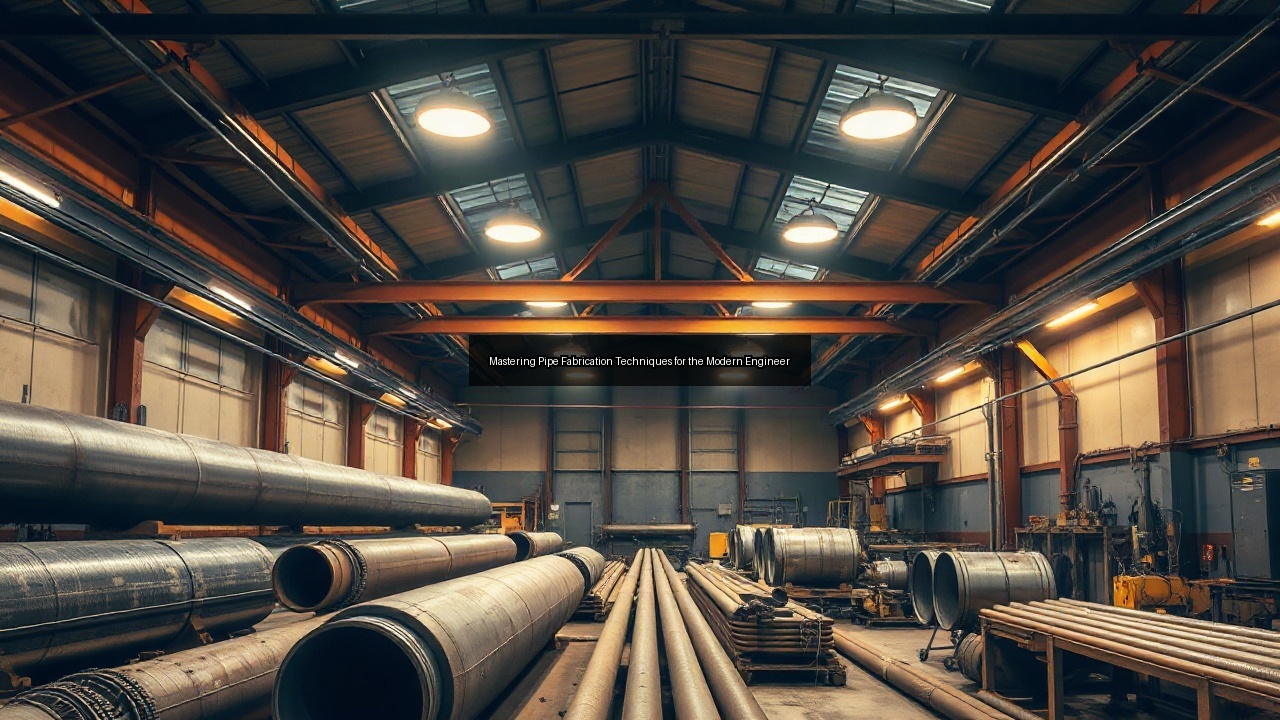
Pipe fabrication covers a range of precise methods that turn raw lengths of pipe into functional systems for industrial, commercial, and infrastructure projects. Engineers cut, bend, bevel, and assemble sections to exact specifications using tools such as plasma cutters, CNC benders, and orbital welders. Each technique demands careful measurement and fit-up to maintain flow efficiency and structural integrity. Modern shops combine traditional skills with digital templates so that complex routing around obstacles happens without costly rework. Fabricators also prepare ends for different connection types, including flanges, sockets, and butt welds. Mastery of these steps reduces downtime during installation and ensures the finished piping meets pressure ratings. Teams that document every stage create traceable records that support quality audits and future maintenance planning.
Importance of Pipe Fabrication in Engineering
Accurate pipe fabrication directly influences system reliability across power plants, refineries, and water treatment facilities. Poorly fabricated sections lead to leaks, vibration fatigue, and premature corrosion that can shut down operations. When engineers specify correct tolerances and material grades, the resulting assemblies handle thermal expansion and pressure cycles without failure. Fabricated pipe also integrates cleanly with valves, pumps, and instrumentation, simplifying commissioning. Companies that invest in skilled pipe fabrication services gain faster project schedules and lower lifecycle costs. Documentation produced during fabrication supports regulatory compliance and helps operators plan inspections. In short, quality pipe fabrication turns design intent into dependable performance on site.
Differences Between Pipe and Tube Fabrication
Pipe and tube share cylindrical shapes yet serve different engineering purposes. Pipe follows nominal pipe size standards that prioritize inside diameter for flow capacity, while tube uses outside diameter and wall thickness for structural or heat-transfer roles. Fabrication methods diverge accordingly. Pipe often requires heavier wall beveling for welding pipe fabrication, whereas tube may need precision mandrel bending to preserve roundness. Steel pipes tolerate higher internal pressures in many cases, so fabricators apply different nondestructive testing protocols. Tube fabrication shops frequently focus on cosmetic finishes and tight radius bends, while pipe fabrication companies emphasize weld strength and alignment for long runs. Understanding these distinctions prevents misapplication and ensures the correct product reaches each project.
Materials Used in Pipe Fabrication
Types of Steel Pipes in Fabrication
Carbon steel remains the workhorse material for most pipe fabrication jobs because of its strength and weldability. Alloy steels add chromium and molybdenum for elevated temperature service in boilers and process lines. Stainless grades resist corrosion in chemical plants and food processing environments. Fabricators also handle duplex and super duplex steels that combine high strength with pitting resistance. Each grade arrives with mill certificates that fabricators review before cutting. Wall schedules range from standard to extra heavy, and outside diameters vary from half-inch instrumentation lines to 48-inch headers. Selecting the right steel pipe grade at the quoting stage prevents costly material substitutions later in the project.
Benefits of Using Metal in Pipe Fabrication
Metal offers unmatched durability under mechanical and thermal stress. Steel pipes withstand repeated pressure cycles without creep or rupture when properly fabricated. Welded joints create continuous metal paths that transfer loads efficiently. Metal also conducts heat predictably, which matters in steam tracing and heat exchanger headers. Fabricators can apply coatings, linings, or cathodic protection to extend service life in aggressive soils or fluids. Recyclability adds another advantage; scrap from cutting operations returns to the mill, lowering raw material demand. These properties make metal pipe fabrication the default choice for critical infrastructure where plastic alternatives lack the required pressure ratings or fire resistance.
Comparative Analysis: Steel Pipes vs. Other Materials
Engineers sometimes compare steel pipes against plastic, fiberglass, or lined systems. Plastic offers lower weight and corrosion immunity yet softens at moderate temperatures and requires different joining methods. Fiberglass provides chemical resistance but demands specialized fabrication skills and careful handling to avoid impact damage. Steel pipe fabrication shops deliver consistent weld quality and can accommodate large diameters that composites cannot match economically. Cost models show steel remains competitive when lifecycle maintenance and downtime risks enter the calculation. Hybrid approaches exist where steel pipe carries structural loads while internal liners protect against corrosion. The final choice hinges on operating pressure, temperature range, and total installed price rather than material cost alone.
The Pipe Fabrication Process
Planning and Design in Pipe Fabrication
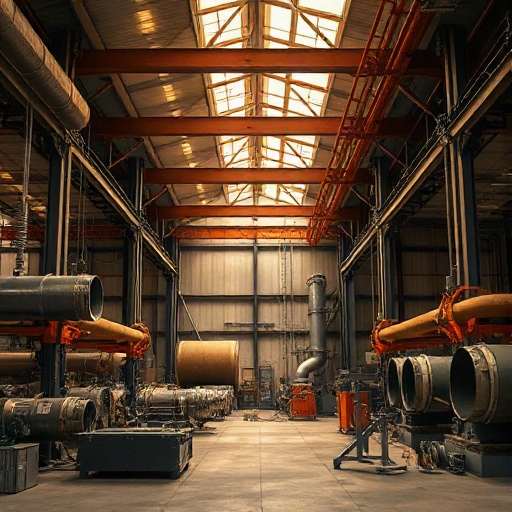
Successful pipe fabrication begins with detailed isometric drawings and bill-of-material reviews. Engineers verify that spool pieces fit within transport limits and that weld locations avoid high-stress areas. Software models simulate thermal movement so supports and expansion loops receive proper placement. Fabricators participate in design reviews to flag potential fit-up issues before material arrives. Nesting software optimizes cutting sequences to reduce waste. Clear communication between the design office and the shop floor prevents scope creep and keeps pipe fabrication prices predictable. Thorough planning also identifies long-lead items such as specialty fittings or heavy-wall headers early enough to maintain schedule.
Cutting and Shaping Steel Pipes
Precision cutting sets the foundation for every subsequent step. Shops employ band saws, abrasive wheels, and plasma or laser systems to produce square ends within tight tolerances. Beveling machines create weld preparations that match the joint design. Bending operations use induction or cold-bending equipment to form elbows and offsets without wrinkling the wall. Computer-controlled machines record each bend angle and spring-back value for repeatability. After shaping, fabricators perform dimensional checks against the drawing to catch deviations before welding begins. Proper handling prevents dents or scratches that could initiate corrosion. These controlled processes ensure that steel pipes arrive at the joining station ready for high-integrity welds.
Joining Techniques: Welding and Beyond
Welding pipe fabrication dominates most industrial applications because it produces strong, leak-tight connections. Shielded metal arc, gas tungsten arc, and flux-cored processes each suit different positions and material thicknesses. Orbital welding systems deliver consistent results on small-bore tubing and pipe in restricted spaces. Beyond fusion welding, fabricators use mechanical couplings, flanges, and grooved systems when disassembly or vibration isolation matters. Post-weld heat treatment relieves residual stresses in thick sections, while nondestructive examination confirms weld integrity. Documentation of welder qualifications and procedure qualifications supports code compliance. Effective joining techniques ultimately determine whether the completed piping system passes hydrostatic testing on the first attempt.
Choosing the Right Pipe Fabrication Company
Key Factors to Consider When Selecting a Fabrication Shop
Capacity, certifications, and track record guide the selection of any pipe fabrication company. Shops holding ASME stamps and ISO registrations demonstrate established quality systems. Geographic location affects freight costs and delivery speed for large spools. Crane capacity and indoor bay size determine whether the shop can handle heavy-wall headers without field splicing. Review past projects that match your diameter range and material grades. Ask about typical lead times and how the shop manages change orders. A capable pipe fabrication shop also maintains relationships with approved weld filler suppliers and testing labs to avoid bottlenecks.
Evaluating Pipe Fabrication Services
Comprehensive pipe fabrication services extend beyond cutting and welding. Look for in-house engineering support that can suggest spool optimization or material alternatives. Coating and lining capabilities reduce the number of subcontractors. Some shops provide modular skid assembly that accelerates site installation. Request sample inspection reports and welder performance records before awarding work. Site visits reveal housekeeping standards and equipment condition. Transparent communication channels allow real-time schedule updates. The best providers treat each order as a partnership rather than a simple transaction.
Cost Implications: Understanding Pipe Fabrication Prices
Pipe fabrication prices reflect material grade, wall thickness, weld quantity, and testing requirements. Complex routing increases fit-up time and therefore labor cost. Shops quote either by the inch of weld or by the spool, depending on project scale. Early involvement of the fabricator often reveals opportunities to standardize fittings and reduce unique parts. Transportation of oversized spools adds expense, so modular design helps control the total price. Long-term contracts with a single pipe fabrication company can stabilize rates and improve schedule reliability. Understanding these variables allows engineers to compare bids on an apples-to-apples basis rather than lowest number alone.
Innovations in Pipe Fabrication
Emerging Technologies in Pipe Fabrication
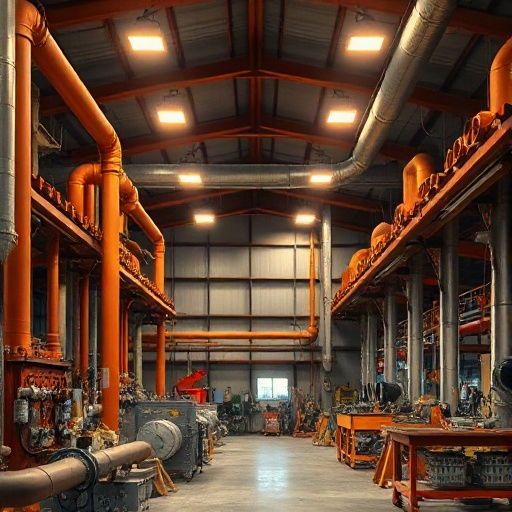
Digital twins and augmented reality now guide fit-up on the shop floor, reducing measurement errors. Laser scanning captures as-built conditions so new pipe matches existing tie-ins without rework. Automated welding cells increase throughput while maintaining consistent quality on repetitive joints. Additive manufacturing produces custom fittings for legacy systems where standard parts no longer exist. Data analytics track welder productivity and defect rates to drive continuous improvement. These tools shorten the path from design to delivery and give pipe fabrication companies a competitive edge on fast-track projects.
Sustainability Practices in Metal Pipe Fabrication
Metal pipe fabrication generates recyclable scrap that mills eagerly accept. Shops optimize nesting to minimize offcuts and use water-based coolants that reduce hazardous waste. Energy-efficient equipment such as variable-speed drives on cutting machines lowers electricity consumption. Some facilities recover heat from welding processes for space heating. Sourcing steel with high recycled content reduces the carbon footprint of each fabricated spool. These practices appeal to clients who track Scope 3 emissions and seek partners aligned with environmental goals.
Future Trends in Pipeline and Header Fabrication
Modular construction continues to shift work from field to controlled shop environments. Prefabricated pipe racks and header assemblies arrive on site ready for rapid connection. Advanced coatings applied in the shop extend service intervals in corrosive service. Integration of sensors directly into fabricated pipe enables real-time condition monitoring. As hydrogen and carbon-capture projects expand, fabricators develop procedures for new material grades and joining methods. Companies that invest in training and equipment today will lead the next generation of pipeline and header fabrication.