The Future of Vehicle Diagnostics with Bluetooth CAN Bus Technology
Understanding CAN Bus Technology
What is CAN Bus?
Engineers designed the CAN bus, or Controller Area Network bus, to enable reliable communication between electronic components in vehicles. This protocol allows multiple electronic control units to exchange data without a host computer, reducing wiring complexity and boosting efficiency. In modern cars, the CAN bus handles everything from engine performance signals to brake system alerts. Technicians rely on it for diagnostics because it standardizes data transmission across vehicles. The CAN bus operates at speeds up to 1 Mbps, using differential signaling to minimize electrical noise interference. For enthusiasts and professionals, understanding the CAN bus unlocks advanced troubleshooting capabilities. When paired with tools like a CAN bus adapter, it provides direct access to vehicle networks. This technology first emerged in the 1980s, developed by Bosch, and now forms the backbone of automotive electronics. Without the CAN bus, vehicles would require far more cables, increasing weight and failure points. Mechanics use CAN bus protocols to read error codes and monitor live data streams. As vehicles grow smarter, the CAN bus evolves to support higher data volumes, ensuring seamless integration of features like autonomous driving aids. Exploring CAN bus details reveals why it remains indispensable in today's automotive landscape.
The Role of ECU in Vehicle Diagnostics
The ECU, or Electronic Control Unit, serves as the brain of vehicle systems, processing data from sensors and controlling actuators based on CAN bus inputs. In diagnostics, the ECU stores fault codes that pinpoint issues like misfires or sensor failures. Technicians connect diagnostic tools to the ECU via the CAN bus to retrieve this information swiftly. Multiple ECUs manage distinct functions—engine, transmission, ABS—yet communicate through the unified CAN bus network. This setup allows comprehensive vehicle health checks without dismantling components. A Bluetooth CAN bus adapter enhances ECU access by enabling wireless connections to smartphones or laptops. ECUs constantly monitor parameters such as fuel mixture and ignition timing, logging anomalies for later analysis. In advanced diagnostics, ECUs support predictive maintenance by forecasting part wear. For DIY mechanics, understanding ECU roles demystifies complex repairs. Integration with OBD ports gives direct ECU entry points. As vehicles incorporate more ECUs, their diagnostic importance surges, demanding robust tools like CAN bus adapters. This interconnected ecosystem ensures safety and performance, with ECUs adapting to electric and hybrid powertrains seamlessly.
Overview of OBD and OBD2 Standards
OBD, or On-Board Diagnostics, revolutionized vehicle maintenance by mandating self-diagnostic capabilities in cars since the 1990s. OBD1 laid the groundwork with basic engine monitoring, but OBD2 standardized protocols across manufacturers, using the CAN bus for efficient data exchange. The 16-pin OBD2 connector, located under the dashboard, provides access to ECU data via high-speed CAN bus lines. This standard supports real-time parameter monitoring and standardized trouble codes, aiding global compliance with emissions regulations. Mechanics plug in OBD2 scanners to read these codes, identifying issues from catalytic converter faults to oxygen sensor problems. The shift to OBD2 in 1996 ensured interoperability, allowing a single tool to work across brands. With Bluetooth integration, OBD2 ports connect wirelessly, expanding diagnostic reach. OBD2 protocols like ISO 15765 leverage CAN bus for faster, more reliable communication than earlier serial standards. Enthusiasts use OBD2 for performance tuning, clearing codes after repairs, or logging trips. As electric vehicles emerge, OBD2 evolves to include battery and motor diagnostics. This framework empowers users with affordable tools, from basic code readers to advanced Bluetooth CAN bus adapters, democratizing vehicle care.
Bluetooth Connectivity in Vehicle Diagnostics
Introduction to Bluetooth and Bluetooth Low Energy
Bluetooth technology connects devices wirelessly over short distances, transforming vehicle diagnostics with seamless data transfer. Introduced in 1998, it pairs gadgets like headphones and keyboards effortlessly. Bluetooth Low Energy, or Bluetooth LE, emerged in 2010 to conserve power for battery-operated devices, making it ideal for automotive tools. In diagnostics, Bluetooth LE links scanners to smartphones without draining resources. A Bluetooth CAN bus adapter uses this to relay CAN bus data from the vehicle's OBD2 port. This wireless freedom lets mechanics diagnose from afar, improving workflow in tight engine bays. Bluetooth operates on 2.4 GHz frequencies, avoiding interference through frequency hopping. Bluetooth LE excels in intermittent connections, perfect for periodic ECU checks. Users pair adapters via apps, accessing live feeds instantly. Security features like encryption protect sensitive vehicle data. As Bluetooth versions advance, compatibility with older CAN bus systems remains strong. For fleet managers, Bluetooth enables remote monitoring, cutting downtime. This technology bridges traditional automotive hardware with modern mobile interfaces, enhancing accessibility for all users.
Advantages of Bluetooth 4 for Vehicle Applications
Bluetooth 4, combining classic Bluetooth with Low Energy, delivers superior performance for vehicle diagnostics. It supports faster data rates up to 1 Mbps while consuming minimal power, crucial for long sessions without recharging. In automotive settings, Bluetooth 4 connects CAN bus adapters to tablets or phones reliably, even in noisy RF environments. Mechanics appreciate the extended range—up to 50 meters—allowing diagnostics from outside the vehicle. Backward compatibility ensures it works with legacy OBD2 systems seamlessly. Bluetooth 4's mesh networking potential hints at future multi-device setups for comprehensive scans. Low latency enables real-time ECU monitoring, spotting issues like transmission slips instantly. Cost-effective chips make Bluetooth 4 adapters affordable for consumers. Enhanced security protocols safeguard against unauthorized access to vehicle networks. For racing teams, Bluetooth 4 logs high-speed data without cables tangling. Integration with apps provides user-friendly interfaces over raw CAN bus protocols. This version outperforms predecessors in battery life, extending tool usability during road tests. Bluetooth 4 solidifies wireless diagnostics as standard, outpacing wired alternatives in convenience and efficiency.
How Bluetooth Enhances CAN Bus Communication
Bluetooth revolutionizes CAN bus communication by eliminating physical cables, granting freedom to move while accessing vehicle data. Traditionally, USB connections tethered devices to laptops, but Bluetooth CAN bus adapters transmit signals wirelessly to mobile platforms. This setup decodes CAN bus messages—engine RPM, coolant temperature—into app-readable formats. Bluetooth bridges the gap between the robust, wired CAN bus and portable tech, enabling live dashboards on smartphones. Low Energy variants ensure stable links without excessive power draw from the adapter's battery. Encryption secures data flow, preventing tampering with ECU commands. In workshops, Bluetooth speeds up multi-vehicle diagnostics, as one adapter serves several cars via quick pairings. For off-road enthusiasts, rugged Bluetooth devices withstand vibrations while pulling CAN bus telemetry. Integration software translates proprietary CAN bus protocols into universal standards like OBD2. This enhancement reduces setup time, letting technicians focus on repairs. Future-proofing comes through Bluetooth's upgradability, adapting to evolving CAN bus extensions in smart vehicles. Overall, Bluetooth amplifies CAN bus utility, making advanced diagnostics accessible beyond professional garages.
The Rise of Bluetooth CAN Bus Adapters
Types of Bluetooth CAN Bus Adapters
Bluetooth CAN bus adapters come in various types to suit different diagnostic needs, from basic code readers to advanced performance tuners. ELM327-based adapters dominate the market, emulating this popular chip for broad OBD2 compatibility via Bluetooth. Dual-chip models handle both high- and low-speed CAN bus lines, ideal for European and Asian vehicles. Some adapters feature integrated Bluetooth LE for energy-efficient connections, perfect for mobile apps. Ruggedized versions with IP67 ratings target off-road use, resisting dust and water on the CAN bus network. Budget adapters offer essential functions like fault code reading, while premium ones support bidirectional controls for ECU reprogramming. Wi-Fi/Bluetooth hybrids provide fallback options in crowded RF spaces. Specialized adapters target specific brands, optimizing CAN bus protocols for brands like Toyota or BMW. DIY kits include customizable firmware for enthusiasts tweaking bus adapter behaviors. As demand grows, manufacturers innovate with compact designs fitting tight OBD ports. Selecting the right Bluetooth CAN bus adapter hinges on vehicle type and user expertise, ensuring reliable CAN bus access across scenarios.
Key Features of a Bluetooth CAN Bus Adapter
A top Bluetooth CAN bus adapter boasts features that streamline vehicle diagnostics with precision and ease. Core functionality includes OBD2 protocol support, decoding CAN bus data from ECUs effortlessly. Wireless Bluetooth connectivity pairs with iOS and Android devices, displaying live metrics on intuitive apps. Built-in LEDs indicate connection status and power modes, simplifying troubleshooting. Many adapters feature auto-sleep to preserve battery life during idle periods. High refresh rates deliver real-time CAN bus streams, capturing transient faults like intermittent sensor glitches. Firmware updatability keeps pace with new vehicle standards, extending adapter longevity. Compact size and clip-on OBD2 connectors ensure hassle-free installation. Security chips encrypt data transmission, protecting against hacks on the bus network. Some models integrate GPS for location-tagged logs, aiding fleet tracking. Customizable PID requests allow deep dives into ECU parameters beyond standard OBD2. Vibration-resistant casings suit rough terrains. These elements make the Bluetooth CAN bus adapter indispensable, blending portability with robust performance for mechanics and hobbyists alike.
Comparing Bluetooth CAN Bus Adapters to Traditional USB Adapters
Bluetooth CAN bus adapters outshine traditional USB adapters in mobility and user-friendliness for vehicle diagnostics. USB models require a laptop tether, limiting access in confined spaces, whereas Bluetooth versions connect wirelessly to phones or tablets. Setup proves simpler with Bluetooth—plug in, pair, and scan—versus USB's driver installations and cable management. Range favors Bluetooth, extending up to 10 meters without signal loss, unlike USB's fixed length. Power consumption drops with Bluetooth LE, enabling longer sessions on portable devices. However, USB adapters often deliver higher data throughput for intensive logging, suiting stationary workshops. Cost-wise, Bluetooth CAN bus adapters edge out with lower entry prices and no extra cables. Reliability holds strong in both, but Bluetooth's frequency hopping dodges interference better in garages. Apps enhance Bluetooth usability with visualizations, while USB relies on desktop software. For fieldwork, Bluetooth's cordless design wins; for precision bench testing, USB persists. Upgradability tips toward Bluetooth, as mobile ecosystems evolve faster. Ultimately, Bluetooth CAN bus adapters herald a shift toward wireless dominance in diagnostics.
Applications of Bluetooth CAN Bus Technology
Real-time Diagnostics and Monitoring
Real-time diagnostics thrive with Bluetooth CAN bus technology, delivering instant insights into vehicle performance. Adapters pull live data from the CAN bus, showing metrics like RPM, throttle position, and exhaust gas readings on connected devices. Mechanics spot anomalies—such as voltage drops or misfires—before they escalate, preventing breakdowns. In racing, pilots monitor ECU outputs mid-lap, adjusting strategies via Bluetooth apps. Fleet operators track multiple vehicles remotely, optimizing routes based on fuel efficiency data from the bus network. Custom dashboards visualize trends, alerting users to thresholds like high oil temperatures. Bluetooth's low latency ensures updates every few milliseconds, mimicking wired responsiveness. Integration with cloud services logs historical data for pattern analysis. For electric vehicles, it tracks battery health and regenerative braking via CAN bus protocols. Safety improves as drivers receive over-the-air notifications of tire pressure or brake wear. This application extends to predictive maintenance, forecasting part failures from ECU trends. Bluetooth CAN bus adapters make professional-grade monitoring accessible, empowering proactive vehicle care across industries.
Integration with Mobile Applications
Mobile applications integrate seamlessly with Bluetooth CAN bus adapters, turning smartphones into powerful diagnostic hubs. Apps like Torque Pro connect via Bluetooth to decode OBD2 data from the CAN bus, offering user-friendly interfaces with gauges and charts. Users customize plugins for specific needs, from emissions testing to dyno simulations. Push notifications alert to check engine lights, pulling detailed ECU codes instantly. AR overlays on apps visualize CAN bus data over the engine bay via phone cameras. Community-driven databases enrich apps with vehicle-specific PIDs, enhancing accuracy. Bluetooth pairing secures with PINs, while offline modes store logs for later upload. Developers leverage SDKs to build tailored solutions, like insurance apps monitoring driving habits through bus telemetry. Cross-platform support ensures iPhone and Android compatibility. For tuners, apps enable ECU flashing over Bluetooth, bypassing costly dyno visits. This integration democratizes expertise, letting novices interpret complex CAN bus signals. As 5G merges with Bluetooth, apps promise even richer, real-time collaborations with remote experts.
Case Study: Bluetooth CAN Bus Adapter in a Toyota Supra
In a Toyota Supra restoration project, a Bluetooth CAN bus adapter proved transformative for diagnostics and tuning. The owner, facing erratic ECU behavior in the 1990s model, plugged the adapter into the OBD2 port to access the CAN bus network wirelessly. Using a Bluetooth-enabled app, he monitored boost pressure and ignition timing in real-time during test drives, identifying a faulty MAP sensor. Traditional USB adapters would have confined him to the garage, but Bluetooth allowed roadside adjustments. The adapter's compatibility with Supra-specific protocols decoded proprietary codes, revealing wiring issues missed by basic scanners. Post-repair, live data logging optimized the ECU map for better performance, boosting horsepower without aftermarket hacks. Integration with mobile apps visualized AFR curves, fine-tuning fuel delivery. Challenges arose from Bluetooth interference in urban areas, resolved by switching to LE mode. Cost savings hit $500 versus dealer diagnostics. This case highlights how Bluetooth CAN bus adapters empower enthusiasts on icons like the Supra, blending vintage charm with modern tech for reliable, enhanced driving experiences.
Future Trends in Vehicle Diagnostics with Bluetooth Technology
The Impact of Advanced PCBs on Adapter Performance
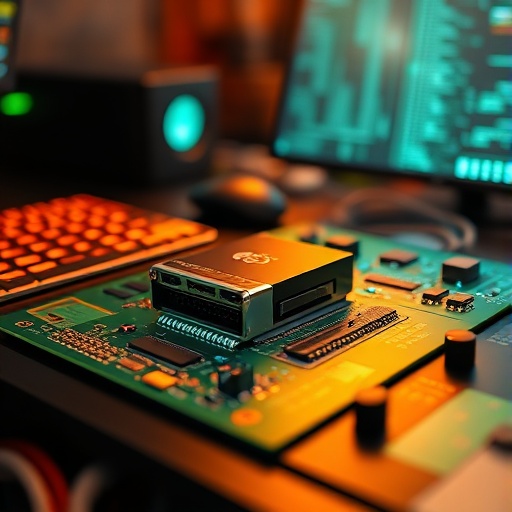
Advanced PCBs elevate Bluetooth CAN bus adapter performance by enabling compact, efficient designs that handle demanding automotive environments. Multilayer PCBs integrate Bluetooth chips, CAN transceivers, and power management in tiny footprints, reducing size for easy OBD2 installation. High-frequency materials minimize signal loss on the bus lines, ensuring crisp data from ECUs. Thermal management layers dissipate heat during prolonged scans, preventing throttling in hot engine compartments. Flexible PCBs adapt to curved adapter housings, enhancing durability against vibrations. SMD components boost reliability, cutting failure rates in rugged use. As 5G influences, PCBs support dual-band Bluetooth for faster uploads of CAN bus logs. EMI shielding on boards protects against vehicle electronics noise, maintaining stable connections. Custom ASICs on PCBs accelerate protocol decoding, speeding OBD2 responses. Sustainability drives lead-free, recyclable PCBs, aligning with eco-friendly trends. For pros, these advancements mean fewer callbacks; for users, seamless integration with emerging EV CAN bus variants. Advanced PCBs propel adapters toward smarter, more resilient futures in diagnostics.
Emerging Technologies in Automotive Diagnostics
Emerging technologies reshape automotive diagnostics, with Bluetooth CAN bus adapters at the forefront of innovation. AI algorithms analyze CAN bus data patterns, predicting failures before codes trigger, integrated via Bluetooth apps. Augmented reality glasses overlay ECU diagnostics on the engine, guided by wireless adapters. Edge computing processes data onboard adapters, reducing latency for real-time alerts. Blockchain secures shared diagnostic logs across fleets, transmitted over Bluetooth LE. Quantum-resistant encryption fortifies future-proof adapters against cyber threats on the bus network. 6G previews ultra-reliable connections, enhancing Bluetooth for remote ECU reprogramming. Nanotechnology in sensors feeds richer CAN bus inputs, monitored wirelessly. Voice-activated apps simplify commands, pulling OBD2 data hands-free. Sustainable materials in adapters align with green manufacturing. Collaborative platforms let mechanics crowdsource solutions from global CAN bus databases. These technologies converge to make diagnostics proactive, accessible, and integrated into connected vehicle ecosystems, far beyond current Bluetooth capabilities.
Predictions for CAN Bus and Bluetooth Integration
CAN Bus and Bluetooth integration will deepen, creating unified ecosystems for vehicle diagnostics by 2030. Expect standardized Bluetooth profiles for automotive CAN bus, ensuring plug-and-play across brands. Adapters evolve into smart hubs, fusing Bluetooth with 5G for over-the-air updates to ECUs. Hybrid protocols blend CAN bus with Ethernet for high-bandwidth needs in autonomous cars, accessed via Bluetooth gateways. AI-driven adapters auto-configure for vehicle types, simplifying OBD2 interactions. Widespread adoption in EVs demands Bluetooth for battery CAN bus monitoring, predicting range accurately. Security mandates end-to-end encryption, with Bluetooth as the secure wireless layer. Mesh networks link multiple adapters in garages for holistic fleet scans. Open-source firmware accelerates innovation, customizing bus adapter functions. Regulatory pushes for emissions compliance boost Bluetooth tools in global markets. Ultimately, this integration promises zero-downtime vehicles, where diagnostics blend seamlessly into daily drives, revolutionizing maintenance paradigms.