Unlocking Efficiency with Advanced Diesel Tank Level Gauges for Optimal Fuel Management
Understanding Diesel Tank Level Gauges
What Are Diesel Tank Level Gauges?
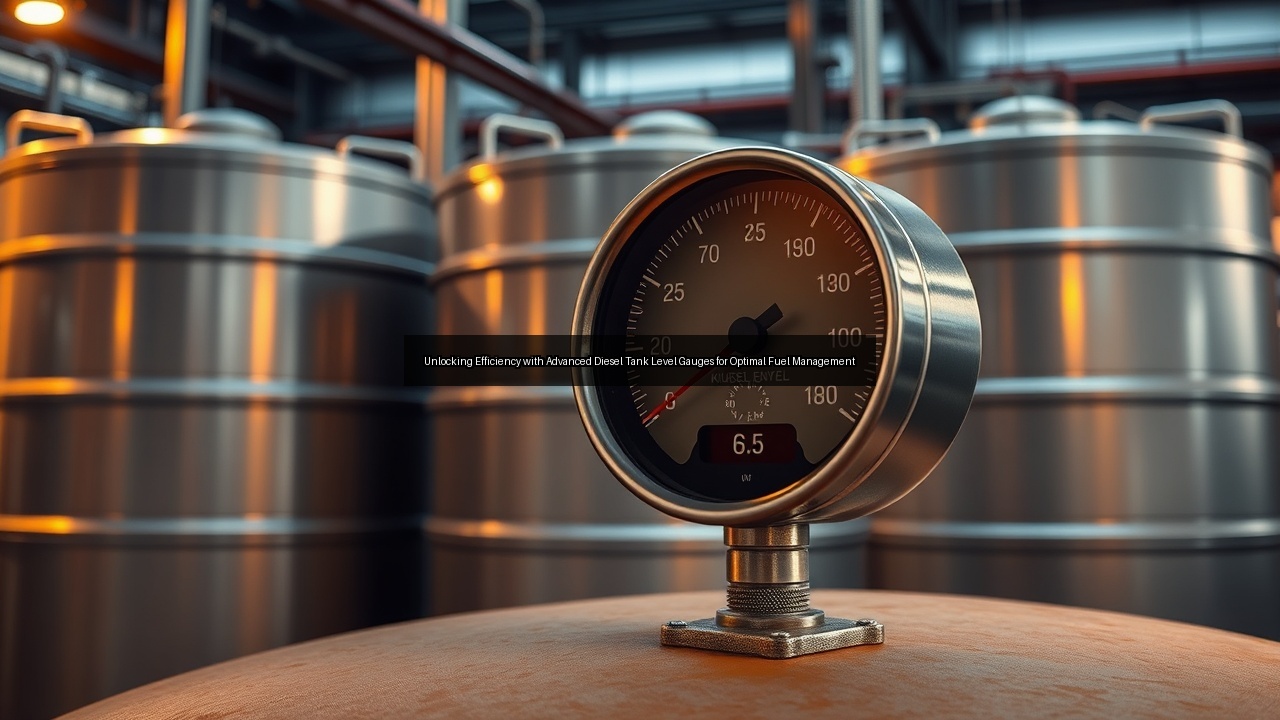
Diesel tank level gauges provide direct readings of liquid volume inside storage tanks that hold diesel fuel. These devices attach to the top or side of a fuel tank and track how much diesel remains available for equipment or vehicles. A diesel tank level gauge converts the height of the liquid into a usable measurement that operators read on a dial, digital display, or remote monitor. Crews install the units on above-ground or underground tanks and rely on them to prevent unexpected shortages during operations. The gauge stem or sensor reaches into the diesel fuel and responds to changes in level without requiring constant manual checks. Accurate readings help fleet managers schedule refills at the right time rather than reacting to empty tanks. Many models handle different tank shapes and sizes, giving consistent data across multiple storage locations. Diesel gauges also withstand exposure to fuel vapors and temperature swings common at job sites or fuel depots.
Importance of Accurate Measurements in Fuel Management
Precise measurements from a diesel tank level gauge cut waste and keep operations running smoothly. When managers know exact diesel volumes in each tank, they avoid over-ordering fuel that ties up capital or under-ordering that causes downtime. Accurate data supports better budgeting because companies track consumption rates across equipment fleets without guesswork. In remote locations, reliable readings reduce emergency deliveries that carry higher costs and safety risks. Fuel managers use the information to detect leaks early by spotting unexplained drops in tank levels. This practice protects both the environment and regulatory compliance records. Consistent measurements also allow operators to balance loads between multiple tanks and extend the life of pumps and filters by maintaining proper fill ranges. Without dependable diesel tank level gauges, facilities face higher chances of running dry during peak demand or spilling product during unplanned top-offs.
Types of Diesel Tank Level Gauges
Mechanical vs. Electronic Diesel Gauges
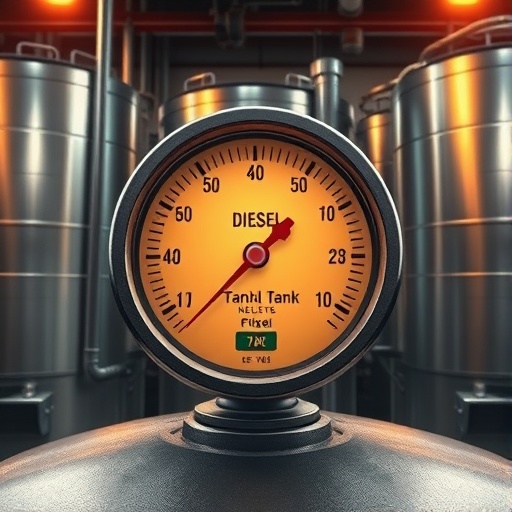
Mechanical diesel gauges use a float and rod system that rises and falls with the liquid surface inside the fuel tank. A visible dial on the exterior shows the level without batteries or wiring. These simple units cost less upfront and work in locations where power is unavailable. Electronic versions replace the mechanical linkage with sensors that send signals to digital displays or control systems. They offer higher resolution and often include alarm outputs when levels reach preset limits. Crews choose electronic diesel fuel gauges when they need remote monitoring across several tanks on a single site. Mechanical models resist interference from electrical noise but require more frequent visual inspections. Electronic units integrate easily with existing telemetry but need protection from voltage spikes. Both types measure diesel accurately when sized correctly for the tank dimensions and fuel type.
Features of Advanced Diesel Level Gauges
Advanced diesel level gauges combine durable materials with improved sensor technology to deliver steady performance in harsh conditions. Many units feature stainless steel or reinforced polymer construction that resists corrosion from diesel fuel and additives. Digital models include backlit displays for low-light reading and data logging that records level changes over time. Some advanced gauges offer adjustable mounting flanges that fit a wide range of tank openings without custom fabrication. Wireless options transmit measurements directly to mobile apps or central software, eliminating the need for staff to walk to each storage tank. Temperature compensation circuits maintain accuracy when diesel expands or contracts with weather changes. These features reduce human error and support faster decision making when managing fuel inventories across multiple sites.
Advantages of Using Krueger Sentry Technology
Krueger Sentry designs diesel tank level gauges with heavy-duty components that handle continuous outdoor exposure. Their models often include clear sight tubes or magnetic level indicators that operators read from a distance without opening the tank. Krueger Sentry units emphasize leak-proof seals and simple calibration procedures that field technicians complete in minutes. The company offers both mechanical and electronic versions, allowing facilities to match gauge type to existing infrastructure. Users report fewer false readings because the designs minimize moving parts that stick or wear. Krueger Sentry also supplies replacement kits that extend service life without full unit replacement. Facilities gain consistent measurements and lower maintenance costs when they standardize on these gauges across their diesel storage tanks.
Benefits of Advanced Diesel Tank Level Gauges
Enhancing Fuel Efficiency and Reducing Downtime
Advanced diesel tank level gauges improve fuel efficiency by giving operators exact information about remaining volume in each tank. Managers schedule deliveries based on actual usage instead of conservative estimates, which cuts excess fuel sitting in storage. Equipment stays online longer because low-level alerts trigger refills before tanks run dry. Reduced downtime directly increases productivity on construction sites, farms, and transport yards. When a diesel tank level gauge provides early warnings, crews avoid the scramble to locate fuel during critical tasks. Accurate tracking also reveals consumption patterns that help optimize routes or equipment assignments. Over months, these small gains compound into measurable savings on fuel purchases and labor hours spent managing shortages.
Real-Time Monitoring and Data Collection
Real-time monitoring through advanced diesel gauges feeds live data into software platforms that track trends across multiple fuel tanks. Supervisors view current levels from any connected device and receive automatic notifications when thresholds are crossed. Data collection creates historical records that support audits and consumption forecasting. Facilities compare readings from different tanks to spot anomalies such as unexpected usage spikes or possible leaks. The continuous stream of information replaces manual dipstick checks that consume time and introduce human error. Over time, the accumulated measurements help refine ordering schedules and identify the most efficient suppliers. Real-time systems also support integration with fleet management software that links fuel use directly to individual vehicles or machines.
Improving Safety and Compliance in Fuel Management
Accurate diesel tank level gauges reduce spill risks by preventing overfills during delivery. High-level alarms stop pumps before tanks exceed safe capacity. This protection lowers the chance of environmental incidents and the associated cleanup costs. Compliance records improve because facilities maintain documented measurements that satisfy regulatory inspections. Safety officers use gauge data to verify that storage tanks stay within permitted volumes. Electronic models often include tamper-evident features that protect measurement integrity. Proper monitoring also helps prevent vapor buildup by keeping tanks within recommended fill ranges. Overall, reliable diesel gauges support both worker safety and environmental standards without adding extra inspection steps.
Installation and Maintenance of Diesel Tank Level Gauges
Plumbing Considerations for Fuel Tank Gauges
Proper plumbing ensures a diesel tank level gauge mounts securely and reads accurately. Installers align the gauge stem vertically inside the tank to avoid contact with internal baffles or pipes. They select seals and gaskets rated for diesel fuel to prevent leaks at the connection point. Threaded adapters match the tank opening size and allow easy removal for service. In some cases, technicians add isolation valves that let crews isolate the gauge without draining the entire tank. Careful routing of any wiring or tubing avoids sharp bends that could restrict signal flow or create trip hazards. Correct plumbing also accounts for tank expansion and contraction so the gauge remains level over time. These details keep measurements reliable and reduce future repair needs.
Best Practices for Maintaining Diesel Fuel Gauges
Routine maintenance keeps diesel fuel gauges functioning without unexpected failures. Operators inspect seals and floats quarterly for signs of swelling or cracking caused by prolonged diesel contact. They clean sight glasses or sensor faces to remove sediment that can obscure readings. Calibration checks against known volumes confirm accuracy after any tank modification. Facilities replace worn gaskets promptly to avoid small leaks that contaminate surrounding areas. Electronic units receive battery or power supply tests during scheduled shutdowns. Keeping spare parts on hand speeds repairs when a gauge shows drift. Consistent maintenance records demonstrate compliance and help predict replacement intervals across the fleet of storage tanks.
Future Trends in Diesel Tank Level Measurement
Integration with IoT for Smart Fuel Management
IoT connectivity turns diesel tank level gauges into nodes within larger monitoring networks. Sensors transmit level data to cloud platforms that aggregate information from every fuel tank on a site or across regions. Managers set automated reorder points that trigger purchase orders when diesel drops below targets. IoT systems also correlate level changes with equipment runtime logs to verify actual consumption. Alerts reach mobile devices instantly, allowing rapid response even when staff are off-site. The connected approach reduces manual reporting and improves inventory accuracy. As more facilities adopt these networks, suppliers gain better demand signals that smooth delivery schedules and lower transportation emissions.
The Role of AI in Optimizing Diesel Fuel Usage
AI algorithms analyze historical data from diesel tank level gauges to forecast usage patterns and recommend optimal order quantities. Machine learning models identify seasonal variations and equipment-specific consumption rates that humans might overlook. AI can flag unusual level drops that suggest leaks or theft before they become major issues. Predictive maintenance schedules emerge from the same data streams, reducing unexpected gauge failures. Facilities that combine AI insights with real-time measurements cut both fuel waste and administrative overhead. Over time, these systems refine delivery timing and routing, creating measurable efficiency gains across entire operations that rely on diesel storage tanks.