Why Proper Pigtail Installation is Crucial for Medical Gas Safety
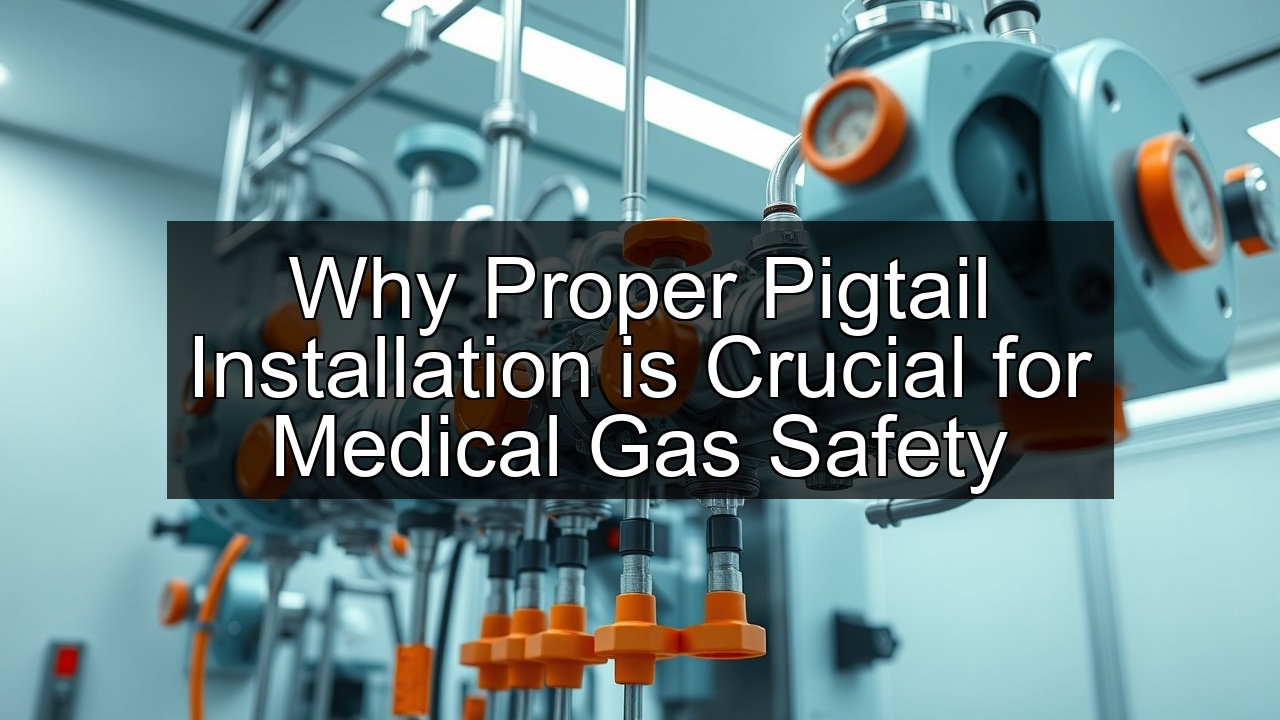
Understanding Medical Gas Manifolds
The Role of Manifolds in Medical Gas Systems
Medical gas manifolds serve as the backbone of gas distribution systems in healthcare facilities, ensuring a seamless supply of critical gases like oxygen, nitrous oxide (N2O), and vacuum. These manifolds allow for multiple gas cylinders to be connected, enabling efficient management of gas supply without interruptions. In hospitals, where every second counts, the reliability of a manifold can significantly impact patient care. A well-designed manifold system provides consistent pressure and flow, essential for various medical applications, from anesthesia to life support. The proper functioning of these systems directly correlates with patient safety, making the role of manifolds indispensable in medical environments.
Types of Medical Gas Manifolds
Different types of medical gas manifolds cater to various healthcare needs. The most common types include single-point manifolds, which connect to one gas source, and dual-point or complex manifolds, which connect to multiple sources. Dual-point manifolds allow for automatic switching between gas cylinders, ensuring that the supply remains uninterrupted when one cylinder depletes. Each type of manifold has its unique applications, and the choice largely depends on the facility's size and gas requirements. Additionally, advanced manifolds incorporate features like solenoids and flowmeters to manage gas pressure and flow more effectively, enhancing overall performance and reliability.
Key Components of a Medical Gas Manifold
A medical gas manifold consists of several essential components that work together to deliver gases safely and efficiently. Key elements include the gas cylinders, pressure regulators, piping, and monitoring devices. The gas cylinders store various medical gases, while pressure regulators maintain a consistent output pressure. Piping connects these components, and its design significantly affects gas distribution efficiency. Monitoring devices, such as flowmeters, provide real-time data on gas usage, ensuring that healthcare professionals can make informed decisions regarding gas supply management. Together, these components create a cohesive system that prioritizes patient safety and operational efficiency.
Importance of Proper Pigtail Installation
What is a Pigtail and Its Function in Medical Gas Systems
A pigtail is a flexible, short section of piping that connects gas cylinders to medical gas manifolds. This component plays a crucial role in ensuring that gas flows smoothly from the cylinder to the manifold system. Proper pigtail installation facilitates quick and easy gas supply changes, minimizing downtime during cylinder replacements. Pigtails typically use nylon or metal materials, chosen for their durability and resistance to pressure fluctuations. An effective pigtail arrangement not only contributes to the efficiency of the overall medical gas system but also enhances safety by preventing leaks that could occur from improper connections.
Common Installation Mistakes to Avoid
Improper installation of pigtails can lead to significant safety hazards. Common mistakes include using incompatible materials, neglecting to secure connections tightly, and failing to inspect for leaks post-installation. Using the wrong type of pigtail material can lead to degradation over time, risking gas leaks and compromising patient safety. Technicians must ensure that all connections are appropriately sealed and that the installation adheres to established guidelines. Additionally, overlooking routine maintenance can lead to undetected issues that may escalate over time, emphasizing the importance of diligence in installation and ongoing inspection.
Best Practices for Pigtail Installation
To ensure the safe and effective operation of medical gas systems, follow best practices for pigtail installation. First, always use compatible materials, such as nylon or stainless manifold supply steel, that can withstand the specific gas pressure and type. Second, maintain proper torque when securing connections to prevent leaks. Third, conduct thorough inspections both before and after installation to identify any potential issues. Following the National Fire Protection Association (NFPA) and National Electrical Manufacturers Association (NEMA) guidelines can help achieve compliance with safety standards. Finally, consider incorporating a testing procedure to confirm that no leaks exist and that the system operates efficiently. These practices enhance the reliability of the medical gas supply, directly impacting patient care.
Safety Standards and Regulations
NFPA and NEMA Guidelines for Medical Gas Systems
The National Fire Protection Association (NFPA) and the National Electrical Manufacturers Association (NEMA) establish guidelines that govern the safe installation and operation of medical gas systems. NFPA standards focus on fire safety and the prevention of hazards related to gas leaks and flammability, ensuring that healthcare facilities minimize risks associated with medical gases. NEMA complements these guidelines by providing electrical safety standards that govern the electrical components of gas delivery systems. Adhering to these regulations is not just about compliance; it’s about safeguarding patients and healthcare workers from potentially dangerous situations that could arise from improper installation or management of medical gas systems.
ISO Standards for Medical Gas Supply
The International Organization for gas medical manifold Standardization (ISO) provides additional standards applicable to medical gas supply systems. ISO 7396-1, for instance, addresses the pipeline systems for medical gases, ensuring that they meet stringent safety and performance requirements. Compliance with ISO standards not only enhances the quality of care provided in manifold supply healthcare settings but also reassures patients and staff of the safety of the medical gases used. Medical gas manufacturers and facilities that comply with ISO standards demonstrate a commitment to quality and safety, which is essential in maintaining trust and reliability in healthcare services.
Importance of Compliance for Patient Safety
Compliance with safety standards and regulations is paramount for patient safety in healthcare facilities. Non-compliance can lead to dire consequences, including gas leaks, equipment failures, and compromised patient care. By adhering to NFPA, NEMA, and ISO guidelines, healthcare providers can ensure that their medical gas systems operate safely and efficiently. Regular audits and inspections can help identify potential compliance issues before they escalate. Ultimately, a commitment to compliance not only protects patients but also enhances the overall quality of care delivered in hospitals and other medical environments.
Enhancing Efficiency and Reliability in Healthcare Facilities
Design Considerations for Medical Gas Distribution
The design of medical gas distribution systems plays a critical role in enhancing overall efficiency and reliability. Factors such as the layout of piping, the placement of manifolds, and the selection of components significantly impact system performance. Properly designed systems ensure optimal gas flow and pressure, preventing bottlenecks that can hinder supply. Additionally, integrating advanced technologies like flowmeters and solenoids can streamline gas management, providing real-time data for better decision-making. By investing in thoughtful design and engineering, healthcare facilities can create robust medical gas systems that support efficient operations while prioritizing patient safety.
Impact of Quality Piping on System Efficiency
Quality piping is vital for the smooth operation of medical gas systems. The materials used, such as copper or high-grade plastics, must withstand the pressures associated with various medical gases. Poor-quality piping can lead to leaks and inefficiencies, compromising the entire system's reliability. Moreover, proper pipe sizing and layout minimize pressure drops, ensuring that gases reach their destinations without interruption. Regular maintenance and inspections of piping systems can also identify potential issues before they lead to significant problems. Prioritizing quality materials and installation practices enhances the overall efficiency of medical gas delivery, ultimately benefiting patient outcomes.
Role of Flowmeters and Solenoids in Medical Gas Management
Flowmeters and solenoids play essential roles in the management of medical gas systems. Flowmeters provide real-time measurements of gas flow, allowing healthcare professionals to monitor usage accurately and make informed decisions regarding supply. This data is crucial for managing multiple gas types, ensuring that patients receive the correct amounts of oxygen, nitrous oxide, or other gases. Solenoids act as automated valves that control gas flow based on system needs, enhancing efficiency and reducing waste. Together, these components optimize gas management, contributing to improved patient care and operational efficiency in healthcare facilities.